Raising Money for Breast Cancer Research, Education, Community Outreach, and So Much MORE

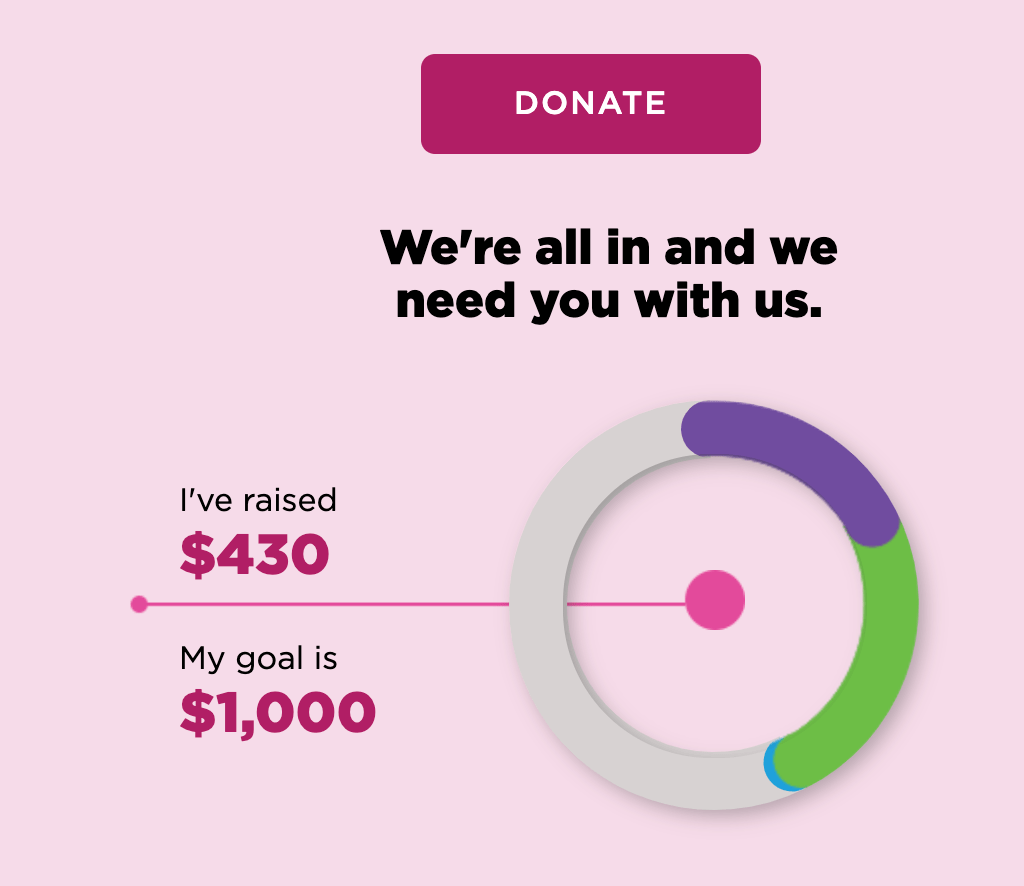
It’s day 10 of National Breast Cancer Awareness Month! Today is all about raising funds to support the vital mission of non-profits devoted to eradicating breast cancer! This year, I’m raising funds for Susan G. Komen through the Greater Nashville More Than Pink Walk!

Help me reach my goal!

***Note: I am a Komen employee, but my fundraising is part of my personal advocacy work outside of the organization, and opinions expressed in this blog are my own. I do not speak for Komen here.***

You can support my fundraiser HERE! My goal is to raise $1,000!

Why fundraising? Because I understand how important the mission is for patients, survivors, caregivers, and loved ones who have been affected by breast cancer. As a breast cancer researcher, funding was the number one priority for me in my lab. Without funding to pay for qualified personnel, supplies, infrastructure, and other items necessary to keep a state-of-the-art laboratory running, innovations and treatments of the future can’t happen.

As an advocate and survivor, I understand how important advances in screening, diagnostics, treatments, and survivorship are for survivors like me and for future survivors. I benefitted from advanced surgical and molecular diagnostic technologies, and I know that if my cancer comes back, there are so many more treatment options to keep me alive and thriving.

Being in the field, I understand that inequities and inequalities in breast cancer screening and care plague our nation in communities of color, in LGBTQIA+ communities, in people with disabilities, and in poor and un/underinsured communities. Fundraising for organizations that make eliminating disparities a vital part of their mission is key to make sure everybody has an equal and just opportunity to be as healthy as possible.

Fundraising also helps me feel empowered. Everyone’s breast cancer experience is unique. For me, the feeling of helplessness was one of my biggest challenges. Working to eradicate breast cancer through advocacy and fundraising has helped me take back my power. And it gives me hope! We could all use that!

Please support your favorite breast cancer charity for National Breast Cancer Awareness Month! Every donation matters!

And stay tuned for pictures from the More Than Pink Walk. I’ll be rocking pink hair and a pink boa to celebrate!

Breast Cancer and the LGBTQIA+ Community

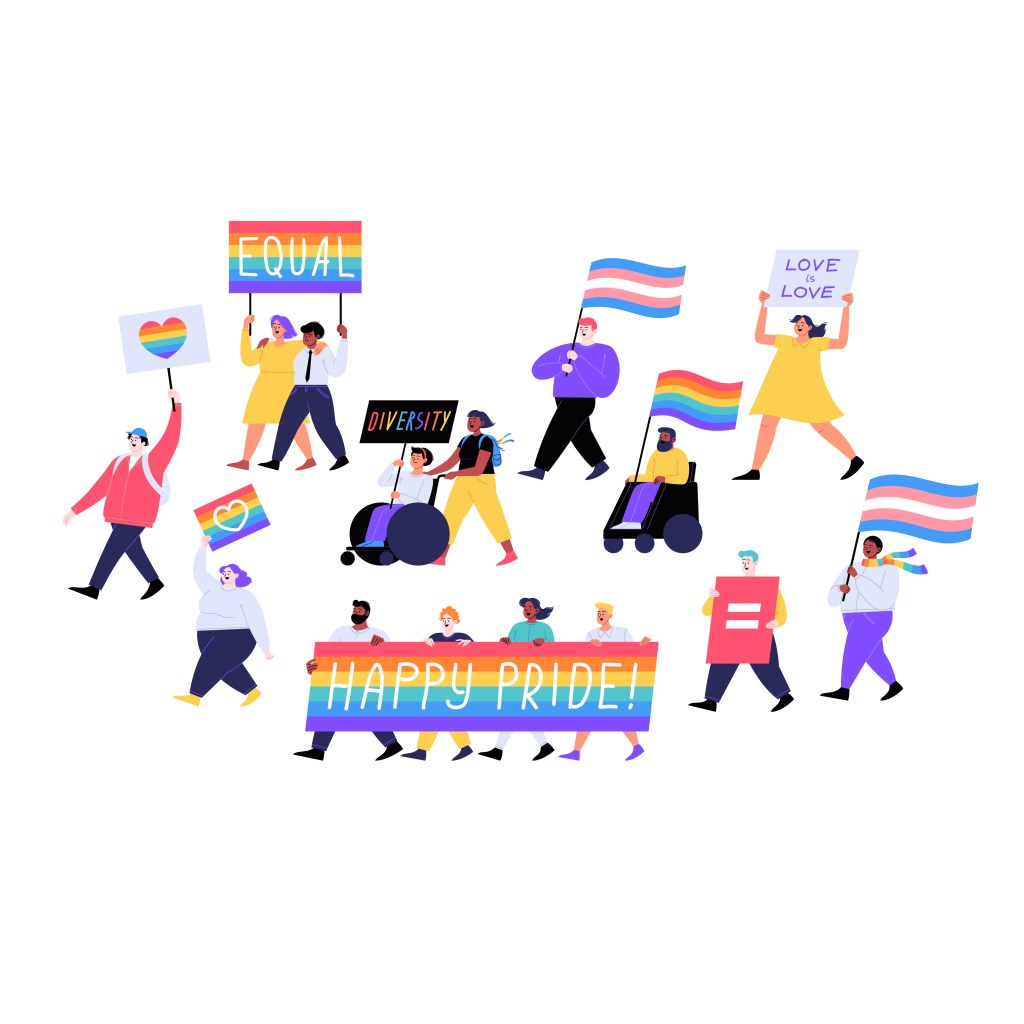
It’s day 9 of National Breast Cancer Awareness Month! Today, let’s cover breast cancer and how it affects the LGBTQIA+ Community—Lesbian Gay Bisexual Trans Queer/Questioning Intersex Asexual Plus other gender identities outside of Cis Heterosexual (Straight). Cancer doesn’t discriminate, but people, particularly those in power, can and do. Fortunately, there are resources available to help people in these communities navigate the healthcare system, including cancer care. My focus is on breast cancer, but some of the resources provided in the list below are more general and include multiple types of cancer care.

Photo Source Deposit Photos.

LGBTQIA+ people often experience discomfort and discrimination during healthcare encounters (and in the current political climate, in their communities and at the hands of politicians who challenge their very right to exist), which may account for reduced odds of receiving annual mammography screenings among some members of the community. This is especially true for trans persons who experience difficulty finding providers who understand their unique needs and who can or will perform appropriate screenings (e.g. breast and pelvic exams for trans men, prostate exams for trans women). One glaring example from my neck of the woods is a recent attack on Vanderbilt University Medical Center’s Transgender Clinic by Republican state legislators. Early detection is key to a positive outcome when it comes to cancer, and anything that creates a barrier to seeking and receiving essential health screenings, including bigotry, can cause unnecessary pain, suffering, and death.

LGBTQ populations have the highest reported rates of tobacco and alcohol use compared to non-LGBTQ populations, which increases cancer risk and correlates with a disproportionate number of LGBTQ individuals living with cancers, including anal, breast, cervical, colorectal, endometrial, lung, and prostate (click here for reference). The intersection of identities (race/ethnicity, disability, cultural) and socioeconomic status compounds inequities in care and screening and disparities in survival and quality of care and life (click here for reference). Clearly, there is need for accessible and tailored cancer care for LGBTQIA+ populations in every location. The same issues with insurance coverage, transportation and accessibility, and availability of care that plague urban and rural communities, respectively, still apply.

What’s available now? There are several resources to help LGBTQIA+ persons with cancer screenings and cancer care. Not enough, but the ones in place are a great start:

Cancer considerations for LGBTQIA+, including checklists and guides for communicating your needs and concerns to your healthcare providers: https://www.accc-cancer.org/docs/documents/oncology-issues/articles/2019/nd19/nd19-cancer-care-considerations-for-sexual-and-gender-minority-patients.pdf?sfvrsn=d116445f_19

Resource lists curated by Cancer.Net: https://www.cancer.net/coping-with-cancer/finding-social-support-and-information/resources-lgbtq-people-with-cancer

Support provided from CancerCare.org: https://www.cancercare.org/tagged/lgbtq+

The National LGBTQ Cancer Project: https://www.lgbtcancer.org/

The National LGBT Cancer Network: https://cancer-network.org/

FORCE (Facing Our Risk of Cancer Empowered) for Hereditary Cancer: https://www.facingourrisk.org/portal/lgbtq

The National Coalition for LGBTQ Health: https://healthlgbtq.org/

Transgender Health Resources: https://www.glma.org/index.cfm?fuseaction=Page.viewPage&pageId=948&grandparentID=534&parentID=938

Transgender Patient Services from the Human Rights Campaign: https://www.thehrcfoundation.org/professional-resources/transgender-patient-services-support-resources-for-providers-and-hospital-administrators

Got any additional resources to add to my list? Please let me know! Knowledge is power, and everyone has the right to equitable and just healthcare!

Screw The Woo Woo! Avoiding Harmful “Alternative Treatment” Scams

It’s Day 7 of National Breast Cancer Awareness Month! Being on the receiving end of a breast cancer diagnosis is terrifying. Believe me, I’ve been there, done that, and have the internal and external scars to prove it. Navigating the healthcare system to find someone with answers who can tell you what type of breast cancer you have and how best to treat it can be a challenge. And standard of care treatments like chemotherapy and radiation cause major anxiety due to their side effects. It is tempting to look for treatments that will work without side effects.

Scammers prey upon anxiety, fear, and desperation to peddle “alternative treatments” that have not been clinically tested and for which there is no evidence to support anti-cancer properties. These so-called treatments do nothing to stop the cancer from growing and do not kill cancer cells in the body. Some may actually cause harm. And the costs are astronomical.

Quick note: This post is about “Alternative Medicine,” not “Complementary Alternative Medicine.” They may sound alike, but they are two very different things. “Complementary Alternative Therapies” are used in addition to standard of care cancer treatments and are monitored by healthcare professionals. These may include mindfulness meditation, yoga, and acupuncture among others. Spiritual practices may also be complementary alternative therapy approaches. These are fine to try so long as you let your healthcare provider know about them and as long as you take your standard of care medicines or treatments.

By contrast, “Alternative Medicine” scam artists actively discourage conventional standard of care treatments in favor of their woo woo treatments. I’ve covered a variety of woo woo scams on this blog, but when I found this one, I was livid. There are actual “clinics” in Mexico that offer alternative therapies, charge exorbitant prices for them, and cause harm and quite possibly death to desperate cancer patients.

***Note: this is not a dig at legitimate hospitals and cancer treatment centers located in Mexico***

I refuse to link these so-called practices, but they go by names like “Oasis of Hope,” specializing in “Holistic and Alternative Cancer Treatment” like oxygenation therapy (doesn’t do a thing for cancer), hyperthermia (can help other cancer treatments like radiation and chemo work better but isn’t meant to be used alone), vitamins and supplements (see previous post), ozone autohemotherapy (which is not approved by the FDA and is classified as a toxic gas with no known useful medical application in specific, adjunctive, or preventive therapy) and “natural cancer treatments” that they do not define but their white papers (not peer reviewed or published in scientific journals) mention intravenous curcumin (covered in a previous post) and vitamin K (see previous post on antioxidant and supplement therapies). Spoiler alert: these “therapies” have not been shown to be effective at treating breast cancer in clinical trials. Worse, these are on a subpage marketed to people with stage IV breast cancer, some of the most vulnerable people living with cancer. And they do not accept insurance, being located in Tijuana, Mexico, so patients must pay out-of-pocket. For Oasis of Hope, costs range from $19,000 for 18 days of treatment to $29,950 for an “enhanced” experience that lasts 20 days.

Another dubious clinic in Tijuana called “Immunity Therapy Center” is run by a man named Dr. Bautista. He, too, offers alternative treatments much like those from Oasis of Hope in addition to bovine and shark cartilage (not FDA approved for cancer treatment), magna rays (whatever that’s supposed to mean), and “detox,” something your liver does for you normally so you really don’t need specialized chelators and vitamin supplements to do it. As for the immune therapy, the dendritic cell vaccines described on the website are being testing in clinical trials for breast cancer in the United States, but they are not currently approved and we don’t yet know if they really work. That’s another insidious way scammer deceive cancer patients – they use jargon and buzz words from legitimate medical treatments to lend themselves false credibility.

These types of “clinics” are everywhere, not just Mexico. Using a simple Google search, I found them in Arizona, Minnesota, California, Tennessee, the United Kingdom, Georgia, and Illinois on the first page. Many were marked as ads, which is another red flag.

So how do you know if you’re receiving information about legitimate cancer treatments versus scams? This handy video guide from the National Cancer Institute is a great place to start. First and foremost, talk to your doctors and healthcare providers, who should be licensed, board certified, and have expertise in breast cancer diagnosis and treatment. And remember, if something sounds too good to be true, it probably is.
The Benefits of Community

It’s been a while. This is my first post for Breast Cancer Awareness Month 2021, but I promise I’ve been busy in the laboratory. In the past two months, I’ve submitted grant applications to Breast Cancer Alliance, METAvivor, and Department of Defense CDMRP Breast Cancer Research Program. The first two are foundations that fund novel research projects, supporting scientists like me so we can take a chance on new projects that are higher risk/high reward and generate preliminary data for larger funding proposals. DOD supports larger research projects at both early (Breakthrough Level 1) and later (Breakthrough Level 2) stages. Fingers and toes crossed for grant funding! If you’re looking for organizations to support, I highly recommend Breast Cancer Alliance and METAvivor.

Photo credit Deposit Photos.

For this post, I’d like to highlight some survivor communities that have helped me and continue to help me, and to encourage patients and survivors to reach out for support. Cancer made me feel powerless. Sure, I was taking care of myself and following instructions from my surgeons, oncologist, and other providers, but they were doing things to me and for me – cutting out the cancer, managing my followup therapies, monitoring me to make sure the cancer wasn’t back, but I felt like I wasn’t (or couldn’t) do anything. That’s part of the reason I wrote Talking To My Tatas and why I started this blog. I needed to DO something.

I also needed to know I wasn’t alone. Enter other breast cancer patients and survivors. These people are some of the most generous human beings, providing support, practical advice, sharing their stories, and giving lots and lots of love to people who join this club we never wanted to be a part of but is filled with survivors in every sense of the word.

Where can you find support? Plenty of places! The Internet can be a terrible and wonderful place, and in the case of support for cancer patients and survivors, it can be a lifeline. Here are some survivor communities who’ve helped see me through on Facebook:

Breast Cancer Straight Talk

This is a large FB group dedicated to shared experiences and full of practical advice! I went to them when I was preparing for my mastectomy and I got a TON of tips for what to expect, what to stock up on (soft cotton camis and cardigans with pockets for surgical drains, pillows, etc.). Need advice from folks who’ve been there? Need to vent? Looking for hope? A safe place to express yourself? This is a great one!

Finding Humor After Breast Cancer

Laughter is one of the best weapons we have when it comes to cancer, and you’ll get plenty of laughs from this group. Lots of boob humor. Check them out!

American Cancer Society

Want to know about the latest research? Looking to connect with survivors and get involved in advocacy, or do you need information on resources from financial to physical and mental health? This group is a great place to start.

Breast Cancer Atheist Support Group

Looking for a support community that welcomes patients and survivors outside of majority faith communities? This one is super helpful and supportive!

Not big on social media? Ask about support groups available through your medical center. Check out your local Gilda’s Club – just be sure to follow safety guidelines for Covid-19. Need a support community for African American breast cancer patients and survivors? Check out Sisters Network – they provide a space for African American breast cancer patients to meet, bond, and receive support during treatments. Similar organizations tailored to the unique needs and experiences of other communities of color include: The Latino Cancer Institute, The American Indian Cancer Foundation, and The Asian American Cancer Support Network. Support for LGBTQIA+ cancer patients, including a directory for LGBT-friendly cancer treatment facilities, can be found at The National LGBT Cancer Network.

No matter your background, culture, or identity, you don’t have to go it alone when it comes to breast cancer. I encourage you to find your support network and lean on them. And, when you’re ready, be a part of that community and give your support to someone in need.