Screw the Woo Woo: For The Love of The Flying Spaghetti Monster Do NOT Sun Your Bunghole!

Beavis and Butt-head are the intellectual property of
Mike Judge.

In this installment of Screw The Woo Woo, I’m tackling a “wellness” trend that’s been making the rounds on social media, including my Facebook feed, and that is disturbing on sooooooooo many levels: butthole sunning. At first, I thought it was a joke. I really, REALLY hoped it was a joke. Then again, jade eggs for the vagina, vagina steaming, and coffee enemas were (and apparently still are) a thing, so what’s one more bizarre bit of ridiculousness in the wooniverse? This isn’t directly related to breast cancer, BUT(T), since ultraviolet light from the sun can cause skin cancer, I’ve decided to tackle the subject and debunk its alleged benefits to, er, bring to light the very real dangers of exposing your junk to the sun.

That and one of the proponents of this weird ass practice is making shady claims about how butthole sunning balances hormones in the sex organs. It doesn’t. More on that later.

First off, the notion that sunlight can enter your body through your vagina or anus is ludicrous, as is the notion that butthole sunning prevents the leakage of “chi” from the body, mostly because “chi” isn’t a thing, and if you’re experiencing any kind of leakage from your anus or genitals, you DEFINITELY need to seek your doctor. The vagina doesn’t just magically open to the heavens like a flower when you open your legs to the sun. Don’t believe me? Read The Vagina Bible by Dr. Jen Gunter, M.D. and gynecologist who covers everything you need to know about care and maintenance of your girly parts.

In addition to blocking chi leakage, woo woo practitioner MetaphysicalMegan (~a clearly qualified source of accurate, reliable information~) claims that sunning your perineum (a.k.a. the taint, the gooch, the fleshy fun bridge) provides a myriad of health benefits (link to a story that shares her tweet – I refuse to link directly to woo woo bullshit sites) – such as regulating “hormone function in the sex organs.”

That claim is a GIANT steaming pile of bullshit.

Hormone function in sex organs is regulated by intracellular hormone receptors expressed in the cells of internal sex organs that are well-protected from the outside world, including sunlight. For example, estrogen receptors in females are expressed in mammary glandular epithelium deep within breast tissue (where they can contribute to the growth of breast cancer cells in ER+ disease), the endometrial tissue that lines the uterus (internal organ protected from sunlight), ovary, bone (which is why bone loss is a concern for menopausal women and breast cancer patients on estrogen suppression therapy – estrogen contributes to cellular signaling pathways that promote bone growth), and other organs and tissues that are protected from the elements. As sunlight cannot reach estrogen receptor expressing cells, it cannot influence the function of estrogen signaling within them.

But what’s the harm, you might ask? Lots of people believe in and incorporate New Age and Wellness practices into their daily lives. Well, in this case, exposing delicate skin to ultraviolet sun rays without the benefit of sunscreen can actually be harmful. Ultraviolet light breaks bonds in the nucleotide bases (thymine and cyotsine) of DNA in skin cells that absorb it. This can facilitate abnormal bonding between adjacent thymine (thymine dimers) and cytosine (cytosine dimers) that form kinks in DNA. If not repaired, this can lead to DNA mutations that contribute to the development of skin cancers. Now, MetaphysicalMegan recommends 30 seconds, but given that every second you are in the sun, 50 to 100 of these dimers are formed in each skin cell. That’s a hell of a place to risk getting skin cancer, not to mention that the proverbial “places where the sun don’t shine” are horrible places to get a freakin’ sunburn!

Bottom (giggle snort) line: exposing your asshole/taint/vagina/penis/nutsack to the sun isn’t going to help your health. It’ll probably give you a sunburn, it can increase your risk of skin cancer, and it will most certainly make you look like a fucking idiot. Don’t do it.

Publicly available references from The US National Library of Medicine, National Institutes of Health: Estrogen receptor expression and function in female reproductive disease; Estrogen receptors and human disease: an update

*Apparently Josh Brolin tried butthole/perineum sunning and, not surprisingly, regretted it. Yup, not even Thanos can handle that flavor of sick burn. The evil part of me REALLY hopes that Ryan Reynolds works in some butthole sunning jokes at Cable’s expense in the next Deadpool film!

Maybe they’ll even do a little superhero bro bonding with joint butthole sunning. They could even bring along Colosus and Dopinder.

I mean, who DOESN’T want to see dat ass? You’re picturing it. I know you are!
Screw The Woo Woo: Turmeric and Cancer

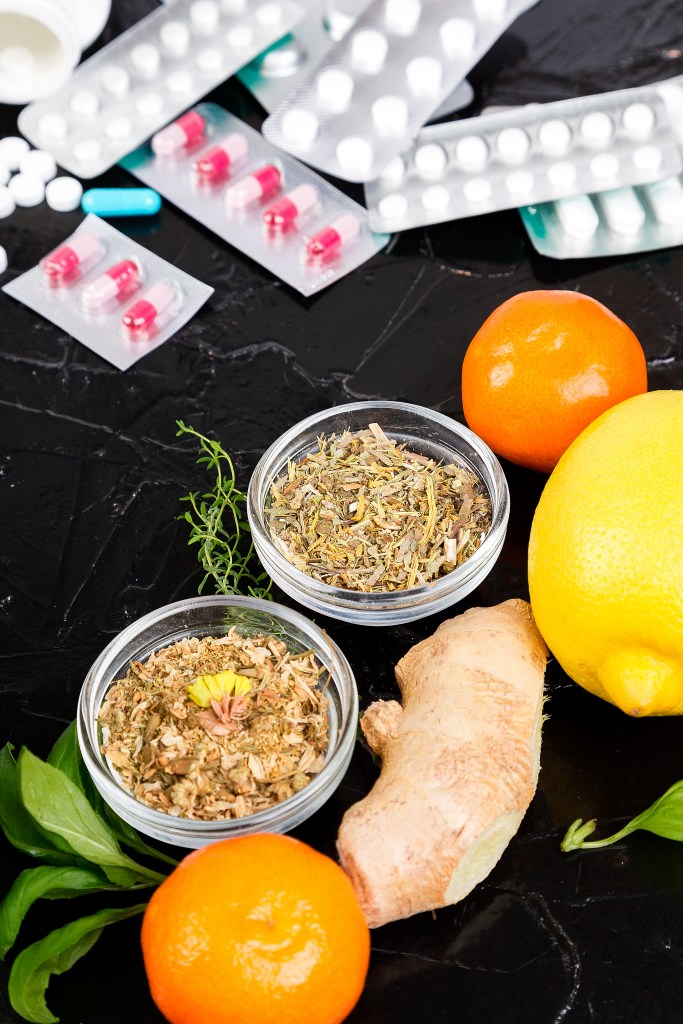
Part of my mission in promoting science is fighting pseudoscience, scams, myths, and misinformation. This is the first in a series of Screw the Woo Woo posts. Woo woo, “supernatural, paranormal, occult, or pseudoscientific phenomena, or emotion-based beliefs and explanations,” is the antithesis of science. Unfortunately, woo woo is flashier and easier to market. From purveyors of alternative medicine, wellness and nutrition “gurus,” the diet and supplement industry, and new age whackadoodles, the woo woo movement offers the lure of “ancient wisdom,” “natural” alternatives to the evils of chemical medicines and toxins (spoiler alert – everything is made of fucking chemicals, and if you want to get rid of toxins, all you need are functioning liver and kidneys), and easy peasy lose-the-weight-and-keep-it-off-without-diet-and-exercise scams.

The “war” between medicine and so-called “natural” remedies is really fucking stupid.

Legit sciences needs better PR and marketing.

My mission is to help with that, as well as helping the public fine-tune their bullshit-o-meters in the Internet age.

Soto ayam – see link below for recipe

Now, I can’t tackle all of these issues, but I can and will do my part to dispel some common myths I’ve encountered as they relate to cancer and breast cancer, starting with turmeric. I love curry, soto ayam, and other delicious South Asian recipes featuring this delicious spice. Turmeric gets a lot of attention for being a health food with medicinal properties. Don’t believe me? Google it. You’ll find a slew of sites selling turmeric as a supplement, articles from such ~reputable~ (see ~? That’s the sarcasm symbol) sources like healthline.com (I refuse to link to woo sites) touting the “10 Proven Health Benefits of Turmeric and Curcumin.” One of the benefits reported by the supplement/diet/nutrition/new-age/woo woo movement is that turmeric prevents and/or cures cancer.

So, let me break it down, because it’s, well, complicated. The short answer to the question, “Will eating boatloads of turmeric keep me from getting cancer or treat my cancer?” is no. The compound Curcumin, scientifically known as (1E,6E)‑1,7‑bis(4‑hydroxy‑3‑-methoxyphenyl) hepta‑1,6‑diene‑3,5‑dione, is natural polyphenol that is derived from the turmeric plant. This compound is, in fact, being actively investigated for anticancer activity. Here’s where it gets tricky, though, as noted by Alexander Pope – A little learning is a dangerous thing ; Drink deep, or taste not the Pierian spring. In other words, you’ve got to dig a little deeper when it comes to reports of so-called “health foods” and “superfoods.” Yes, there is some evidence that, in a laboratory setting, Curcumin can interfere with the ability of cancer cells grown in a dish to divide and survive (growth), move (an essential part of invasion and metastatic spread), and attract blood vessels that feed the tumor (angiogenesis). It also shows some activity in animal models of cancer (human tumors grown in mice) and has reportedly shown some benefit in clinical trials*. So that means we should all be eating turmeric all the time, right?

Not so fast. Yes, Curcumin may help fight cancer – though more research is needed – but there are problems with the leap between eating turmeric and getting the benefits of Curcumin. For starters, Curcumin only constitutes 2-3% of the turmeric root, so in order to get enough Curcumin from eating this spice (which, like most spices, is used pretty sparingly to flavor food), you’d have to eat truckloads. Then there’s the problem of pharmacokinetics (PK) – a fancy way of saying how stable a compound is in the human body and how well it reaches its target. “The bioavailability of Curcumin is low because of poor absorption, rapid elimination and/or low target organ concentration. This is due to the reason that Curcumin is conjugated when it is absorbed through the intestine, consequently free Curcumin is present in extremely low level at the target organ.”* Before this can be applied clinically, the PK needs to be greatly improved. It’s also the reason that taking Curcumin supplements probably won’t do you much good.

But what’s the harm? Aside from separating fact (turmeric is delicious) and fiction (eating turmeric will prevent and/or treat cancer), like all chemicals, natural or synthetic, it interacts with other chemicals in the human body. According to Susan G. Komen for the Cure, Curcumin may interfere with the activity of some anti-cancer medicines, including chemotherapy and anti-estrogen therapies. Talk to your doc and make sure you tell your health care team about any supplements you’re taking or thinking about taking so they can help you weigh the risks, benefits, and dispel any misinformation or misconceptions about them.

Bottom line – no, turmeric isn’t going to protect you from cancer or cure any cancer you may already have. Your best protection is a healthy diet, exercise, avoiding tobacco, too much sun, and keeping up with your health screenings. Enjoy turmeric for the flavor, and rely on medicine for healthcare!

*Front Chem. 2014; 2: 113. – the link is to the publicly available version of this 2014 review article on Curcumin and cancer.

Soto ayam is an abso-freaking-lutely DELICIOUS soup that is super fun to make! I learned from an Indonesian-American, but this recipe is a decent approximation. For the paste used the flavor the broth, she recommended a mixture of shallots, garlic, ginger (fresh), turmeric (powder), macadamia nuts crushed with mortar and pestle. Once prepared, hot broth is poured over a bed of jasmine rice, thin rice vermicelli noodles, bean sprouts, parsley or Thai basil, sliced green onions, chicken breast, and a boiled egg, halved.

Sex After Breast Cancer – What You Can Do to Get Your Groove Back

This is the first in a series of posts about sex, sexual dysfunction, and available treatment options for breast cancer survivors. Before we get started, disclaimer: I am NOT a medical doctor. I’m speaking as a scientist and a survivor. I encourage all breast cancer survivors to have frank discussions with their oncologists and other physicians on their care teams about sexual dysfunction that often results from surgery, chemotherapy, radiation, estrogen suppression and other therapies.

First thing’s first – do not let ANYONE tell you that you shouldn’t complain about sexual dysfunction because (a) you should just be grateful to be alive, (b) you’re too old to be thinking about sex, (c) it’s just something women have to deal with because of the mystery and complexity of women’s bodies or some other fucking bullshit. You DESERVE to experience sexual pleasure and satisfaction. You have every right to SEEK treatments.

Seriously, there are at least 4-6 boner pills on the market, and no one’s busting old men’s balls about using them. And insurance covers them. Spoiler alert – insurance doesn’t cover most of what’s available for women. #fuckthepatriarchy

So, what causes sexual dysfunction? Well, for starters, getting your boobs CUT ON OR CUT OFF has a MAJOR impact on body image and sexual function. With a total mastectomy*, most women lose their nipples as well as sensation in the area of reconstruction. Now, for me, nipple sensation is a pretty big deal for sexual gratification. I was lucky enough to be a candidate for oncoplastic surgery – which is a fancy way of saying I was able to have a large lumpectomy followed by breast reduction and a lift. Even though I was lucky enough to have breast conserving surgery, my nipple sensation isn’t the same. I mean, my surgeon (who is wonderful and this is not meant to disparage him in any way) cut around my nipples in the process of moving them higher on my breasts after removing excess skin and lifting. Sometimes, I get weird tingling sensations akin to electric shocks in my nipples, and the psychological effects of surgery definitely affected my desire to have them touched and stroked. I have a FANTASTIC husband who helped me find my new normal in the bedroom, but it was and still sometimes is a struggle.

First best advice – get to know your new body on your own. Explore the terrain, find out what feels good and what doesn’t. There’s an adjustment period, and you won’t be the same, but you CAN find pleasure again.

In addition to surgery, breast cancer treatments like chemotherapy, radiation, estrogen blockers, and other drugs can wreak havoc on your body, your sexual desire and responses, and your ability to achieve orgasm. In my case, thanks to medically-induced menopause, I’ve experienced vaginal dryness and problems climaxing. My spirit and body are willing for the most part, but it’s a LOT harder to get there. Fortunately, I’m not shy and asked my medical oncologist what could be done, and even better, I found out that there are actually options available to help. Not enough. We need more research, but there are treatments available. I’ll talk about a few of them in this post and will cover more as I learn about them and try them.

**.Vaginal lubrication and hydration – chemotherapy (which can push women into menopause) and medically induced menopause/estrogen suppression therapy can make your vajazzle as dry as the Sahara, which is uncomfortable in general and during sex in particular. Replens vaginal moisturizer is commonly recommended, and it’s helped me personally. Another product I’ve tried is Revaree, a vaginal moisturizer that contains hyaluronic acid, which attracts and retains moisture. I’m on the fence about which I like best, but both have helped, and they have the benefit of being hormone-free. However, be aware that Revaree, unlike Replens, is not compatible with condoms. Aside from moisture and hydration, lube is your best bedroom friend!

**Arousal and climax – I was pleasantly surprised to learn that there are more options than I anticipated. One that I tried recently is Vyleesi, a treatment for hypoactive (low) sexual desire disorder (HSDD). It’s injectable, so if you’re squeamish about needles, take that into consideration. On the other hand, it’s like an Epipen in that it’s preloaded and injection is as easy as a push and a click. One of the side effects is nausea, which I did experience, but it’s reported to go away over time. I’ll report back on that. What I CAN report is that it worked well for me in terms of achieving orgasm! One trial so far, but I’ll repeat the experiment for sure. Something that I haven’t yet tried but plan to test out are topical treatments, including “scream cream.” There are various formulations that can include hormones or be hormone-free. The hormone-free varieties often include active ingredients like sildenafil (active ingredient in Viagra), and other vasodilators, which stimulate blood flow by relaxing the vascular smooth muscles. These treatments do require a prescription and can be ordered from online pharmacies.

Toys and aids – vibrators are AMAZING! There are so many varieties to choose from, and they’re super fun to use and add to your bedroom game. I used a couple before cancer, and they are staples for me post breast cancer. Some of my favorites include the Dame Fin, Butterfly Kiss, and Rabbit styles. Don’t want to visit a sex shop? You can find EVERYTHING online, including sex toys, and have them delivered discreetly right to your door. Again, test them out and explore on your own as you get to know and accept your new body. Find out what works for you, and definitely get your partner involved in the fun. Pros include price and safety. You don’t have to spend a fortune, and you don’t need hormones or other drugs to enjoy toys – just don’t go…too big too fast.

**Laser Therapy – Not going to lie – hearing the word “laser” as a treatment for vaginas, as in OMFG you’re going to LAZE my vajayjay??!! scared the crap out of me. But, being a rational person, I listened with an open mind and am now considering this treatment. And, treatments like this offer hope for women suffering from vaginal atrophy. MonaLisa Touch is one laser treatment option that stimulates collagen production for tissue regeneration. Aside from the whole laser to the vagina thing, cons include expense. And (not surprisingly, but still infuriating) insurance doesn’t cover the procedure.

State of mind – A healthy body and mind are key for great sex. Aside from the usual stuff – eat right, drink plenty of water, exercise – mindfulness and meditation are great tools for stress relief and relaxation, which is key to satisfying sex and reaching climax. They’ve helped me in and out of the bedroom. Know what else has helped? Romance novels! Now, I’m totally biased because I write romance as my side hustle, but I was an avid reader LONG before that. A great love story can be just the thing to spark desire and fantasy. The mind is truly the most powerful sex organ. One of my go-to sites for romance recommendations, Smart Bitches Trashy Books, covers romance novels featuring cancer survivor characters and recommendations for cancer survivors!

This is the short list and the beginning of my coverage of this topic. I hope it becomes a conversation. Feel free to comment or message me. Share your experiences, tell me (and my growing group of followers) what works for you, what doesn’t, and how you go about broaching the subject with your doctor, your partner, or other professionals. Knowledge is power, and knowing you aren’t alone out there is powerful and healing, too!

*Nipple-sparing mastectomies are a thing and definitely worth asking your breast surgeon about.

**Most of this information comes from the Women’s Institute for Sexual Health (WISH) in Nashville, a FANTASTIC resource for women experiencing sexual dysfunction.

BIG NEWS! I Have A Literary Agent!

I’m thrilled and delighted to announce that I’ve signed with Barbara Collins Rosenberg of The Rosenberg Group to represent a nonfiction project based on my experience as a breast cancer researchers who was diagnosed with breast cancer! My goal is to expand on what I do here, providing accessible science with a healthy dose of humor and hope. Here’s a preview from my proposal:

Can I talk to you about my personal relationship with my breasts?

I’ve spent twenty years working as a biomedical breast cancer researcher. Then, I was diagnosed with breast cancer. I thought I knew breast cancer before it whacked me upside my left boob and left me bleeding on the curb of uncertainty. The purpose of this book is to share my personal adventure with breast cancer, from the laboratory bench to my own bedside, and to provide accessible information about breast cancer biology for non-scientists. I say adventure, because I’d rather think of it as action movie with some really cool side quests instead of another tragedy-to-triumph saga. I’m not big on sagas. I am big on kickass intellectual badassery, pathological nerdiness, and talking about my sweet, sweet rack.

Why do we need another cancer memoir? In a sea of inspirational stories, celebrity survivor stories and physician memoirs that bring a clinical perspective, nothing I’ve found in the current market tackles breast cancer through the lens of a breast cancer researcher who became a survivor. We live in an age of fake news and pseudoscience, made worse by the pervasive anti-intellectual and anti-science political culture gripping the United States and much of the world. The Internet and social media are plagued by scammers selling “alternative medicine” and woo woo “cures” for cancer. Through Talking to My Tatas: A Breast Cancer Researcher’s Adventure With Breast Cancer And What You Can Learn From It, I offer accurate, evidence-based science that is accessible to laypersons, including the more than three hundred thousand individuals diagnosed with breast cancer every year*, their caregivers, and their loved ones.

Knowledge is power, and lack of it can lead to overtreatment, unnecessary pain and suffering, and can even be deadly. By demystifying the process from mammograms, biopsies, pathology and diagnostics, surgical options, tumor genomic testing, and new treatment options, I aim to offer hope in a story intended to blend the humor and delivery style of  Jenny Lawson’s Let’s Pretend This Never Happened (A Mostly True Memoir) with the integrity and scientifically sound beauty of Siddhartha Mukherjee’s The Emperor of All Maladies: A Biography of Cancer.

Science Break! Intro to Cancer

Cancer, from the Latin word for “crab,” and from the Greek word for crab, karkinos or carcinos, used by Hippocrates to describe tumors, has plagued humanity since antiquity, and probably before recorded history. The name make sense, since the swollen blood vessels that surround, infiltrate, and feed the tumor mass, reminded Hippocrates of the claws of a crab.

From Brantley et al. (2002) Oncogene 10;21(46):7011-26. PMID: 12370823

As you can see from the picture on the left, this is an understandable comparison. The tumor in the picture is of an invasive mouse breast cancer. It is large, chock-a-block full of blood vessels, and looks like a disorganized blob. Not very pretty, and definitely deadly. Those blood vessels feed the tumor at the expense of the host (i.e. the patient’s body) and can help tumor cells that break off from the primary mass to travel through the bloodstream and colonize other organs in a process called metastasis.

By National Cancer Institute,
Public Domain,
https://commons.wikimedia.org/
w/index.php?curid=1972023

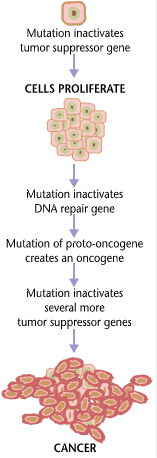
But what is cancer? Where does it come from? Why is it so difficult to treat? Let’s start with the first question. According to Google, cancer is defined as “a disease caused by an uncontrolled division of abnormal cells in a part of the body.” Uncontrolled growth is a hallmark of cancer. Where does it come from? Cancer comes from the transformation of a normal cell, which works in harmony to fulfill its assigned function in the body, into a cell that abandons its normal function and growth constraints to divide (make copies of itself), displacing and destroying normal cells and tissue, hijacking resources (e.g. oxygen and nutrients delivered by blood vessels), and if untreated or undetected, spreading to other parts of the body and destroying normal cells in tissues outside of the site of origin. Why is it so difficult to treat? It’s complicated, but it relates to at least three inherent properties of cancer: (1) cancer comes from normal cells, which makes it difficult for the immune system to recognize it as a threat; (2) cancer cells are genetically unstable and prone to collecting mutations in DNA, the genetic blueprint that controls all cellular functions – see Figure on the left; and (3) because there are many genes that control normal cell growth, survival, and other processes exploited by cancer, each cancer is unique – cancer isn’t a single disease, even within the same tissue. There are at least 5 distinct types of breast cancer (and subtypes within those types), and each is as unique as the patient in which they grow. More on that in a future post.

Unlike infectious diseases caused by viruses and bacteria, pathogens that the immune system can recognize and defend against, cancer cells are seen by the immune system as “self” in many cases (more on anti-tumor immunity and immune checkpoint inhibitors on the market in a future post). Even worse, when immune cells do enter tumors, the tumors can adapt and send signals to immune cells instructing them to protect rather than destroy the tumor. The same genetic instability that enables mutations and changes that allow cancer cells to grow uncontrollably also allow cancer cells to adapt to attacks from the immune system and therapies including chemotherapy, molecularly targeted therapies (like estrogen and HER2 blockers in breast cancer). The rapidly growing tumor mass also tricks the surrounding tissue into sending new blood vessels to infiltrate and feed the tumor, allowing tumor cells to grow, survive, and invade to metastasize.

So, in a nutshell – normal cells + mutation(s) leading to uncontrolled growth + more mutations leading to transformation into malignant cells + more mutations + a blood supply + tricking the immune system = cancer. It’s more complicated than that, but this is a good starting point for understanding cancer.

Want more information? I’ll be posting a LOT more on this topic. In the meantime, here are some really amazing resources on the subject: The Emperor of All Maladies: A Biography of Cancer (Book by Siddhartha Mukherjee and PBS documentary); SciShow’s excellent video on YouTube; Cancer Research UK’s video overview. is also an excellent resource.

The Power and Rewards of Mentoring

Medical students and their mentors in MCN Medical Scholar conducting breast cancer research in Dr. Dana Brantley-Seider’s lab for Medical Scholars Program Vanderbilt University Medical Center Photo: Anne Rayner; VU

This year I have the great fortune of mentoring a talented and dedicated medical student in my lab, Kalin Wilson. Her interest is in oncology, so it’s a great fit for my ongoing and new research directions. She’s working on two projects with similar goals: to identify and characterize new drug combinations and new experimental therapeutics for triple negative breast cancer in pre-clinical studies. This is an urgent unmet need in the clinic. Triple negative disease is a subtype of breast cancers that do not express hormone receptors (estrogen receptor and progesterone receptor) or cell surface HER2 (amplified in ~25% of breast cancers). These receptors are druggable targets, and their absence limits treatment options for patients with triple negative breast cancer to surgery, radiation, and chemotherapy. Triple negative breast cancers are aggressive and disproportionately affect young women and women of African descent. Our goal is to find molecular targets for new drugs to give women with this type of breast cancer more and better options.

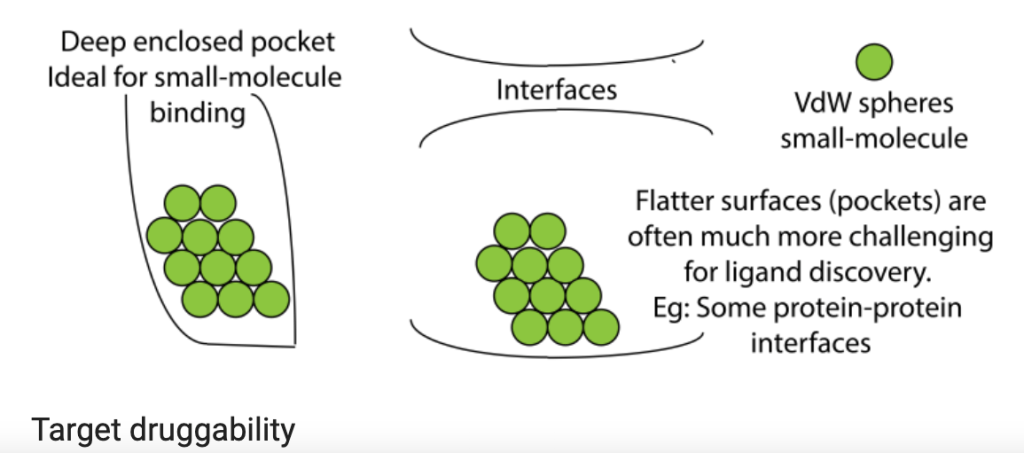
My student’s primary project is to test nanoparticle delivery systems to transport gene therapy to tumors. Many of the genes that drive cancer code for proteins that aren’t easily druggable by small molecules that fit neatly into a unique structural region in the target protein to block its function (e.g. deep enclosed pocket versus flat, relatively uniform interface or surface, as shown in the figure above). But what if we could stop production of cancer-driving proteins at the level of gene expression? This is actually possible in the laboratory setting in a process that exploits messenger RNA, the protein-making instructions that are copied from DNA and used by protein producing cellular machinery (see figure below). The use of small interfering RNA (siRNA) gene therapy, which causes the messenger RNA that encodes the protein’s blueprint to be destroyed, can theoretically stop production of any protein, which would make any target druggable. One of the challenges, however, is delivery of siRNAs to tumors. siRNAs tend to be unstable, so they can be easily destroyed by immune cells or taken up by the liver or kidneys as a part of their normal clearance functions. To overcome those delivery barriers, many biomedical engineers are applying nanotechnology, designing nanoparticles that surround the siRNA molecules. These nanoparticles shield and protect the siRNAs in circulation and can be modified to help homing to the tumor. In collaboration with Dr. Craig Duvall, we are testing nanoparticles delivering siRNA to destroy the blueprint for Rictor, a protein that we believe is essential for tumor cells to grow and prevents them from dying when they’re supposed to. Results so far are promising!

What I hope to give Kalin is a research experience that feeds her passion for science and drug discovery, to foster her natural skills and curiosity, and to keep striving for the goal of bench-to-bedside translational research. What she’s given me is her clinical perspective, something that has enriched my research and inspired me to do more directly translational research with the goal of clinical application. She’s also given me the gift of fearlessness and enthusiasm, which young scientists always possess in abundance and, fortunately, is contagious. The rewards of mentoring the next generation of scientists are many, but the synergy between experience (mentor) and fresh ideas and perspectives (mentee) is perhaps the most valuable.

Science Break! Breast Anatomy, Structure, and Function

This is the first in a series of posts dedicated to the science of breast cancer, so let’s start from the beginning with normal breast. In order to understand how cancer forms and grows, you first have to understand how non-cancerous cells behave and function. Why? Because fundamentally, cancer is an aberration of normal function. Cancer cells were once normal cells. A series of events that involve mutation in the cell’s DNA, the genetic blueprint that encodes instructions and specific modifications for that cell’s function that lead to changes in (1) the cell’s ability to divide, (2) the cell’s response to normal programmed cell death, (3) the cell’s ability to repair damaged DNA. These events reprogram the cell’s function and cause uncontrolled, abnormal cell growth, and these changes are alterations in the normal cell programs that maintain the balance between new cell growth and old cell death that maintain healthy cell function.

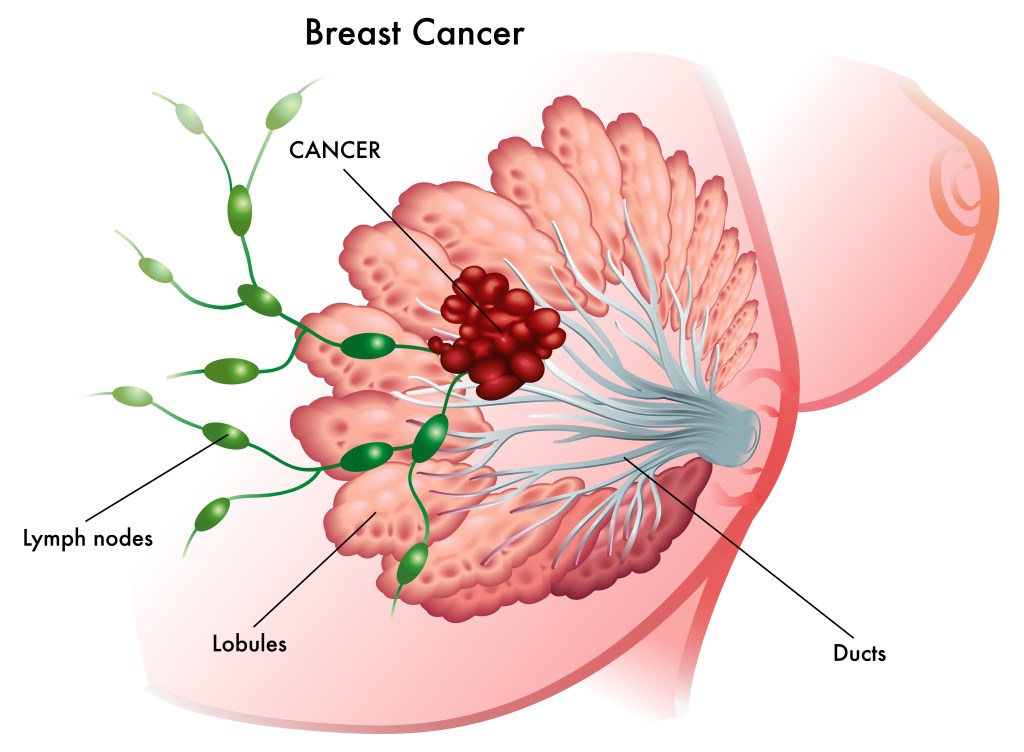
Let’s start with anatomy. Breasts are made up of milk-making (lobules) and shuttling (ducts) glandular epithelial cells anchored by connective tissue and support cells in a sea of squishy fat (adipose tissue). The glandular epithelium goes through a massive growth cycle during pregnancy and becomes a milk factory for nursing young. When the young stop nursing, the factory shuts down, most of the cells die, and the epithelium rests until the next pregnancy. The same cellular programs that control growth and death in these normal cycles become highjacked when a cell begins to transform from normal to cancer. This includes programs regulated by hormones like estrogen and progesterone, as well as cell surface growth factor receptors like HER2, which we will cover in future posts.

Most breast cancers form from ductal epithelial cells, but can form from lobular or other types of cells*. The most important take home message is that breast cancer isn’t a single disease. It is a collection of diseases classified by pathology (how it looks under the microscope) and molecular genetics (which collection of mutations in specific genes contribute to its formation and progression). There are at least five broad subtypes of breast cancer that can be further divided into additional subtypes: (1) Luminal A, which tend to be estrogen and progesterone hormone receptor positive (ER+/PR+) and lack HER2 alteration; (2) Luminal B, which tend to be estrogen receptor positive and can be HER2 positive or negative; (3) HER2-enriched, which tend to be negative for hormone receptors (ER-/PR-) and display amplification (more copies) of the gene encoding HER2 cell surface receptor; and (3) Triple negative, which lack hormone receptors (ER-/PR-) and HER2 amplification (HER2-)**. I’ll cover each of these subtypes in future posts, including the latest research on how they form at the molecular, genetic, and cell biologic level, and current/emerging treatment options.

To wrap things up, I’d like to share with you some of the work I did as a graduate student***, which involved understanding molecular regulation of normal breast epithelial development during puberty. Again, understanding how normal breast epithelium grows and forms as breasts develop is an important first step in understanding how things go wrong in breast cancer. The pictures in (A) show whole-mount preparations of mammary gland (a fancy term for squishing and flattening a small piece of tissue on a slide and staining it to show the epithelium in the sea of fat) of breast epithelium growing to fill the fat of developing breast during puberty. The specialized bulb-like structure (arrow) is called a terminal end bud (TEB). The schematic in (B) shows the structure of cells within the TEB as they grow from the TEB tip out and differentiate into their normal, mature structures in the area behind the TEB. Luminal epithelial cells line the ducts, while myoepithelial cells that surround the lumina structure contain contractile proteins that, like muscle, will eventually squeeze and contract to help milk travel to the nipple. Cap and body cells turn into these cell types when growth stops.

*American Cancer Society; **Susan G. Komen, ***From my graduate thesis

Introduction

I love you with all my boobs. I would say my heart, but my boobs are bigger

Dr. Dana Brantley-Sieders, Ph.D. (photo credit Lillian Boeskool)

I’ve spent twenty years working as a biomedical breast cancer researcher. Then, I was diagnosed with breast cancer. I thought I knew breast cancer before it whacked me upside my left boob and left me bleeding on the curb of uncertainty. I thought I knew cancer. I had a lot to learn. The purpose of this blog is to share my personal adventure with breast cancer, from the laboratory bench to my own bedside, and to provide accessible information about breast cancer biology for non-scientists. I say adventure, because I’d rather think of it as action movie with some really cool side quests instead of another tragedy-to-triumph saga. I’m not big on sagas. I am big on kickass intellectual badassery, pathological nerdiness, and talking about my sweet, sweet rack.

I’ll be posting about breast structure and function, how breast cancers arise from normal breast tissues. Notice I wrote “cancers” instead of “cancer.” Breast cancers are a actually a collection of diseases, and all breast cancers are different. To date, there are at least 5 subtypes, and subtypes within those subtypes.

It’s complicated, which is one reason why we haven’t cured these diseases. Another reason is how tricky and adaptable cancers are by their very nature. We’ll get into all of that in a few posts. In the meantime, let me get into the other purpose of this blog: fighting pseudoscience and scams with peer-reviewed, vetted science.

We live in an age of fake news and pseudoscience, made worse by the pervasive anti-intellectual and anti-science political culture gripping the United States and much of the world. The Internet and social media are plagued by scammers selling “alternative medicine” and woo woo “cures” for cancer. Through TALKING TATAS, I offer accurate, evidence-based science that is accessible to laypersons, including the more than three hundred thousand individuals diagnosed with breast cancer every year*, their caregivers, and their loved ones. Submit questions, ask for follow-up on any and all posts, be a part of the discussion. Knowledge is power, and it can save lives!

Welcome! I’m glad you’re here!