Beyond the (Sensational) Headlines – How to Interpret Science News

If I had a quarter for every time someone told me they read that some discovery was the cure for cancer over the past twenty years, I could afford to take that trip to Tahiti I’ve been dreaming about. Science and the news media have an interesting relationship. On one hand, it’s always great to get coverage for advances in science. It keeps the public informed and engaged, which in turn means more interest and research dollars for laboratory and clinical investigation.

On the other hand, the news media gets a lot wrong, and that’s actually bad for keeping the public informed and for public perception and expectations, especially when it comes to complex diseases like cancer.

Take, for example, recent press coverage of a discovery related to tumor immunology – the study of how we can harness a patient’s own immune system to fight their cancer. It’s a hot topic. In fact, two leaders in the field, James Allison and Tasuku Honjo, were awarded the Nobel Prize for Physiology and Medicine in 2018 for their discovery of a new cancer therapy by inhibition of negative immune regulation, which led to the development of several drugs currently available to treat certain types of cancer. More recently, a paper published in Nature Immunology captured the attention of news outlets, leading to headlines like:

The first outlet, Science Alert, gets it right. The discovery is indeed remarkable, and the note about the ability to kill several cancer types in the laboratory is an accurate representation of what the study showed (my only issue with the headline is the clunky construction – discovery doesn’t kill anything – but that’s just me being nitpicky). The study tested activity of T-cells, part of the immune system that kills cells that have been infected by pathogens (bacteria and viruses) that can also be engineered to target cancer cells in cell culture (cells grown on a plastic dish in the laboratory) and in mouse models (mice engineered to make tumors or transplanted with tumors). This is an essential first step for the development of new therapies, but it is a far cry from being ready to use in patients, as the BBC News and Newsweek headlines might lead people to believe.

But can switching to these new T-cells save me 15% or more on car insurance?

I get why this happens. In the age of 24 hour news cycles, multiple media outlets (online, television, radio, and print), sensational headlines sell. The idea that a new discovery could treat all cancer (a far-fetched notion given that cancer is a collection of diseases that are unique and adaptable) sounds exciting. It captures public interest, especially in patient and survivor communities. But those headlines are misleading, and that’s a problem. While most of the public will forget the specifics, some will look at the next headline related to cancer and think, “Wait, didn’t they find something that’s going to cure cancer soon? What happened to that?” The false promises made by these headlines can give the public the idea that most of what cancer researchers are doing is a waste since the sensationalized discoveries didn’t live up to the hype.

So, let’s look beyond the headlines and delve into the study. What did the investigators do (experimental methods and models), what were the results (data), and what do the results tells us (interpretation)?

To begin, we need a basic understanding of how T-cells (one of many cell types in the immune system) function in fighting disease. They are part of the adaptive immune response – meaning they are selected to attack specific pathogens based on unique proteins and, as noted in the paper, metabolic by-products, produced by target cells.
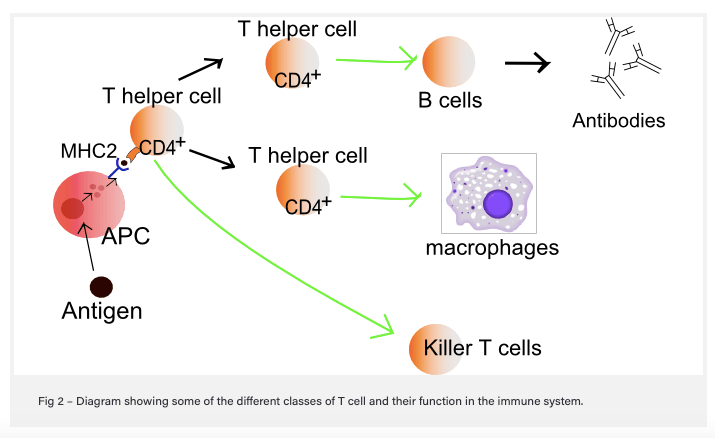
Link to source of diagram.

Here’s how it works: when a cell becomes infected with a bacteria or virus, the infected cell takes some of the foreign proteins (antigens) from the bacteria or virus and displays it on the cell surface in combination with proteins (major histocompatibility complex [MHC] – also known as the human leukocyte antigen [HLA] system in humans] that communicate with immune cells. Surveillance cells like macrophages, which can “eat” infected cells, also do this, and these cells are known as professional antigen-presenting cells (APC). Helper T-cells in the vicinity that recognize the antigen communicate with B-cells, which make antibodies to attack cells that are infected and display the same antigen, and with Killer T-cells (cytotoxic), which bind to and destroy infected cells that express the same antigen. In order to bind to the antigen/MHC complex, T-cells like the killers use cell surface protein receptors (T-cell receptors [TCR]). This is how conventional T-cells function.

Now, on to breaking down the actual published study!

The new study focused on unconventional T-cells that do not recognize protein antigens bound to MHC on antigen-presenting cells. These specialized T-cells normally sense bacterial metabolic by-products bound to the evolutionarily conserved, monomorphic MHC class 1-related protein MR1 – a fancy way of saying that the MR1 cell surface receptor is similar across species (evolutionarily conserved) and come in one form (monomorphic). This types of T-cell was identified from an experimental screen used to identify tumor-educated (e.g. grown in response to tumor cells) T-cells that recognize and kill cancer cells in a petri dish in a non-MHC (MHC mismatched) manner. This is important, since MHC/HLA are some of the most variable proteins within and between people and therefore not easy to develop and exploit as a universal anti-cancer treatment. The T-cell clone identified, called MC.7.G5, was able to kill cells from different types of cancer (lung, melanoma, leukemia, colon, breast, prostate, bone and ovarian) with different MHC/HLA types in petri dishes without harming normal, healthy cells.

Using other molecular biology techniques, the investigators determined that the T-cells that can recognize and destroy cancer cells in a non-MHC-dependent manner. Rather, the cancer-killing T-cells had receptors (TCR) that bound to MR1 plus a cancer-specific cargo (antigen – possibly a non-protein antigen) that has not yet been identified.

To see if these T-cells kill cancer in a whole animal model system, the investigators transplanted human leukemia cells into mice that lacked a functional immune system along with MC.7.G5 T-cells. The mice that received the MC.7.G5 T-cells showed evidence of reduced leukemia cells relative to controls, and when they tested leukemia cells that did not express MR1, the anti-leukemia activity went away – this is an important control, because it shows that MR1 is, in fact, necessary for MC.7.G5 T-cell activity. Finally, the investigators purified T-cells from actual patients with stage IV (metastatic) melanoma, engineered the purified T-cells to express the same T-cell receptor as MC.7.G5 cells, and tested the ability of these engineered T-cells to kill melanoma cells in a petri dish. The cells engineered to express the MC.7.G5 TCR killed melanoma cells from patients with similar or dissimilar HLA, but not melanoma cells that didn’t express MR1.

So what does all of this mean?? The significance is that T-cell subtypes that may be present in most humans and similar in most humans can recognize and destroy a variety of different cancer cells in laboratory models. It is exciting because, if validated in more laboratory research models (and if these types of T-cells are observed in actual cancer patients, including those with better outcomes), it could give scientists and physicians a new therapeutic tool to use in the clinic.

BUT

Before that can happen, a LOT more work has to be done, including:

Figuring out what cancer-specific antigen MR1 binds to – this is super important, since the presence of whatever that antigen might be would have to be detected in actual cancer patients before trying out these new T-cells in clinical trials.

Long-term studies to see if the health of the animal is affected by exposure to T-cell therapy. One of the challenges with anti-tumor immune therapy is the risk that patients might develop an auto-immune disease (e.g. immune cells will recognize the patient’s own healthy cells and attack, like what happens in Type I diabetes and Rheumatoid Arthritis). Remember, cancer cells are normal cells gone rogue, and they may be similar enough to normal cells within the body to trigger an unwanted immune response.

Getting the T-cells to go to the tumor, infiltrate it, and kill enough tumor cells is also a challenge. It’s a challenge with all immune therapies. Tumors that normally have a lot of T-cells hanging around (“hot” tumors) generally respond better to existing immune activating drugs, but many tumors don’t have a lot of T-cells that infiltrate (“cold” tumors”). These new T-cells can only be effective if they can get to the tumor, and tumors often adapt to evade or repel immune cells.

Finally, just because something works in laboratory models, like cells in petri dishes or even laboratory mice, doesn’t mean it will work in humans. We’ve been successfully killing cancer in petri dishes and mice for decades, and the clinical trials graveyard is full of therapies that showed great promise in the laboratory only to fail in clinical trials – some of those cases may be due to trial design, especially in early trials where patients weren’t always screened for the target. But other cases are probably due to our inability to replicate human disease fully in models that are not as naturally complex. Most mouse models used in the laboratory are inbred (for more on the history behind that, follow this link – yes, I know it’s a Wikipedia link. Wiki isn’t always wrong.). This means we’re using clones in our experiments, and some of those are even more abnormal since they don’t have a functional immune system. The advantage is that we can get more consistent, reproducible results and also that we can get mice without an immune system to grow human tumor cells without rejecting them. The disadvantage is that humans, not being clones, vary widely in their physiologies and responses to therapy. And even when it comes to mouse tumors grown in mice with a working immune system, there are differences in how mouse and human immune systems work – actually, in my experience, laboratory mice are WAY more resilient and resistant to infections than people.

Take home message – look past the headline to the actual data.

It’s a lot of work and requires a fair amount of background knowledge to go to the primary literature and make sense of it, but often enough, the story below the headline can give you enough information to figure out what a study shows, what it doesn’t show, and how close the results are to making it to the clinic.

For example, the BBC News article states that “The findings, published in Nature Immunology, have not been tested in patients, but the researchers say they have “enormous potential”.” I’ll also give the author of this article props for explaining CAR-T cell technology – which is how the cancer-fighting T-cells may be engineered from patient T-cells if the study findings are translated to the clinic. But the headline? Totally misleading.

Same goes for Newsweek, which presents the full headline as: ‘ONE-SIZE-FITS-ALL’ CANCER TREATMENT COULD BE ON THE HORIZON AFTER SCIENTISTS DISCOVER NEW IMMUNE CELL BY ACCIDENT.” Not the accident part – scientists discover stuff by accident all the time, but the idea that this is “on the horizon” gives the impression that it’ll be going to the clinic very soon. Um…not likely. Still, within the article, the author notes, “In mice experiments and in lab dishes, the team showed that a new type of what are known as T-cells could detect a range of cancerous cells, while differentiating them from healthy cells.” That, in a nutshell, is what the investigators actually showed. Headline is still misleading, though.

Bottom line – look BEYOND the sensational headline. It’s purpose is to hook you and get you to click on and read the article (while being bombarded with ads). Dig into the actual article to find out what the new and exciting study shows.

Science Break! Outreach – Getting High School Students Excited About Cancer Research!

Last week, I had the opportunity to speak with students in Freshman Biology classes at Overton High School here in Nashville. I’d given science demonstrations before—including fun with dry ice and a mouse organ scavenger hunt/anatomy lesson that was fun for everyone except one squeamish student. But I’d never spoken in detail about cancer biology and cancer research.

I’ve been saying (read: complaining) for YEARS about how scientists are terrible about speaking with the public. We talk to each other all the time at our institutions and at scientific conferences, but not enough of us reach out to our communities, and that’s a shame. First of all, we as scientists should be advocates for the scientific process and for the progress we’re making. Second, scientists are in a position to combat scammers, pseudoscience, and mis/disinformation by sharing our knowledge. Third, most of us are funded, at least in part, by the federal government. I’m funded by The National Institutes of Health (NIH) through The National Cancer Institute (NCI) – those agencies are funded by federal tax dollars. Since I’m paid by tax dollars, I personally feel an obligation to be able to explain what I do and why it is important to taxpayers in terms they can understand.

So, in my new role as a cancer researcher who has also survived cancer, I’m putting my time and effort where my big fat mouth is and getting out there to be an ambassador and advocate for cancer research! I occurred to me that the slides from my recent presentation for high school students would make a great addition to this blog. It covers how normal cells transform into malignant tumor cells at the molecular level.

The goal of this presentation is to provide a brief overview of how damage to DNA, the genetic code that is used to build proteins (the workhorses of a cell) can lead to uncontrolled cell growth and survival – both hallmarks of cancer. Damage to DNA and failure to properly repair that damage can lead to mutation (change in the code), amplification (more copies of a gene than normal), deletion (loss of DNA and the genes encoded). When changes in DNA occur in genes that regulate cell division, this can contribute to cancer. Uncontrolled cell growth is fundamental to cancer.

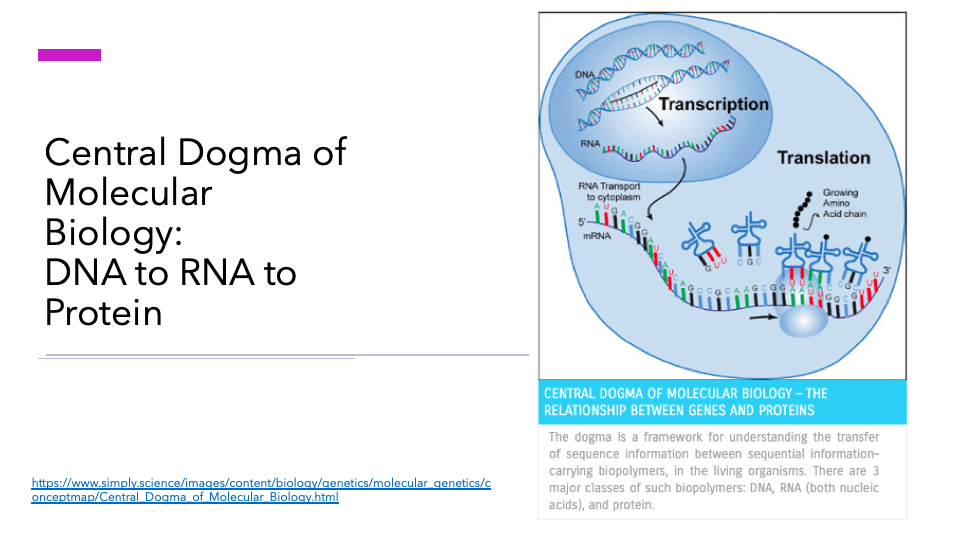
To understand how DNA damage leads to cancer, we first have to review what DNA actually does – The Central Dogma of Molecular Biology. I covered this in a previous post, but I’ll go over it again for the (vast majority of) people who don’t spend their days thinking about and doing molecular and cellular biology research. The more frequently you see information, the more likely you’ll be to remember it.

DNA is the blueprint that contains instructions for how to build every protein a cell needs for its normal function. Since, as we’ll see in the next few slides, DNA damage can cause huge problems for cells, DNA is protected in an organelle within the cell called the nucleus. It is only unwound from its double helix structure during (1) DNA replication when the cell makes extra copies before dividing, and (2) when tiny portions, genes, are transcribed (copied) into small units called RNA. RNA gets transported out of the nucleus where the code is translated to make proteins. Each sequence of three base pairs encodes a specific amino acid (building blocks of protein). Take home = DNA to RNA to protein. And DNA damage leads to problems with the proteins they encode.

So what do proteins do? The answer is pretty much everything a cell needs to function. Two specific classes of proteins, those involved in regulation and signaling, are the targets of mutations/amplifications/deletions that can lead to cancer. Regulation involves turning cellular processes, like cell division, on and off. Signaling involves proteins transmitting messages from outside the cell to the inside — including messages that tell the cell when to divide.

DNA can be damaged or altered by internal factors and external factors. Errors occur in replication (copying during cell division), and if they aren’t repaired properly, they can lead to mutations. Other things that can damage DNA include ultraviolet light (sunlight – skin cancer), chemicals (carcinogens) in cigarette smoke, and exposure to radiation. Base mismatches can lead to a change in the code. Single-stranded and double-stranded breaks can lead to amplification or deletion of essential genes in the cell division process. Damage to DNA in genes that encode DNA damage repair proteins are especially harmful, as failed repair leads to more mutations, amplifications, and deletions that accumulate and lead to cancer.

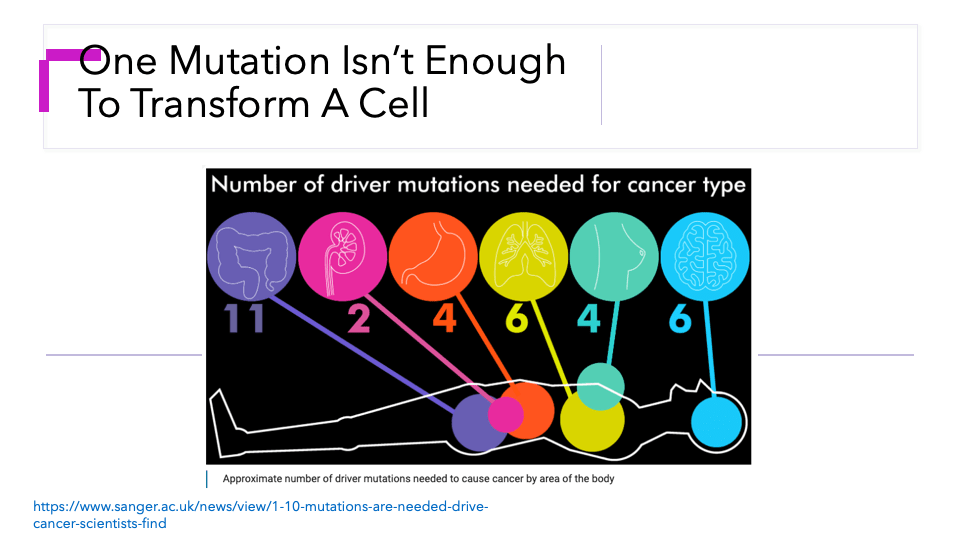
Mutations and DNA damage occur relatively infrequently. Most mutations are silent, meaning that they don’t affect the production or function of the protein the gene encodes, and it takes more than one mutation to transform a cell and make it cancerous.

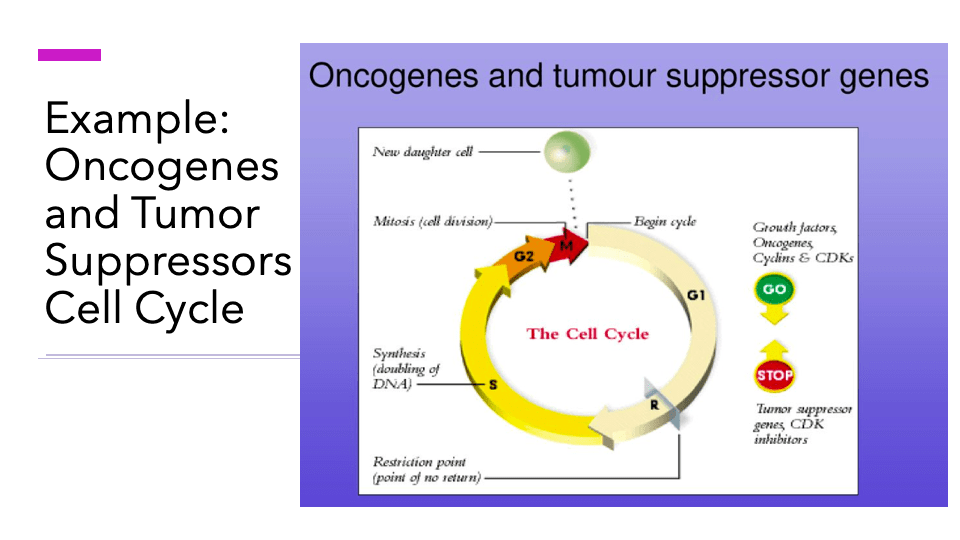
The types of genes that drive cancer include oncogenes and tumor suppressors. In the cell division process, there are many on/off switches that tell the cell when to divide and when to stop the process of division. Oncogenes, which are amplified (more copies of the gene than normal made after DNA damage) or mutated to be super active, are the “go” signals, like a car’s accelerator. Tumor suppressors, which are deleted (genes are lost after DNA damage) or mutated to be non functional, are the “stop” signals, like a car’s brakes. A combination of amplified/mutated oncogenes plus deleted/mutated tumor suppressors transform a normal cell into a cancer cell that then divides uncontrollably, like a speeding car with the brake lines cut.

On/off switches in the cell cycle, the series of steps that a cell follows to divide and make two cells, have the potential to become oncogenes and tumor suppressors.

This slide shows an example of an oncogene and tumor suppressor in a signaling pathway that contributes to breast cancer. Cyclin-dependent kinases (CDK) are enzymes that tag other proteins with phosphates (P) groups, which serves as a signal for the tagged protein to perform its function. In the case of CDK4/6, its substrate RB (off switch for cell cycles) is tagged with phosphate, which marks it for destruction by the cell. When RB is destroyed, it releases its buddy E2F, freeing it to help the cell make more proteins required for cell division. CDK2/4 function is activated (on switch for cell cycle) by binding to its buddy cyclin D1, and is deactivated by its inhibitor p16. The gene encoding cyclin D1 is commonly amplified (more copies) in breast cancer, and the gene encoding RB is commonly mutated or deleted (gene lost or mutated to make a non functioning protein). Thus, cyclin D1 is an oncogene, and RB is a tumor suppressor.

That’s the overview, but this time I include specific examples. There are many other oncogene drivers and tumor suppressors that contribute to breast cancer and other cancers. I’ll cover some of those in future posts. Hope y’all enjoyed this Science Break! Shout out to Dr. Shannon Youngman and the students from Overton for hosting me and asking some great questions!

Screw the Woo Woo: WTF is up with Gwyneth Paltrow and Vaginas/Butt Stuff??

Like many actual scientists and rational human beings, I have issues with Gwyneth Paltrow’s activities as a “wellness guru” by way of her company, GOOP. Don’t get me wrong, she’s an incredible actress and supports some great philanthropic work, including the work of The American Cancer Society and The Breast Cancer Research Foundation. And I don’t have a big problem with her capitalizing on her fame and looks in the beauty industry. We all like to look and feel pretty.

But GOOP as a resource for health and wellness is another matter. From coffee enemas for “detox” (note – all you need for detox are a liver and functional kidneys), vaginal steaming (that’s a recipe for a rip-roaring yeast infection and severe burns), and jade eggs to stick up your vagina (not healthy – and don’t just take my word for it; Dr. Jen Gunter, OB/GYN and author of The Vagina Bible confirms what common sense would tell most women: nothing good can come from sticking rocks up your hoohah), this whole “wellness” thing is actually pretty freakin’ unhealthy. So much so, in fact, that a lawsuit cost the biz $145K (for baseless claims about the benefits of vagina eggs – really just a drop in the bucket for them) and now they include disclaimers about their whackadoodle health claims.

And…now she’s selling a candle that allegedly smells like her vagina. You can’t make this shit up. The candle is called “This Smells Like My Vagina.” It’s right there in the name. Now, I’m not going to unpack all of the patriarchal bullshit that goes along with how women’s bodies should look and smell – your vagina smells fine. Trust me. It smells like it’s supposed to. No one is marketing products to freshen up sweaty ballsacks, which tells you pretty much everything you need to know about sexist double standards when it comes to eau de genitals.

But aside from all of that, what does Gwyneth’s snatch-scented candle (allegedly) do? And, I have to ask, did she actually stick the candles into her snatch to infuse them with her feminine “energy” and alluring musk? Apparently, this candle actually smells like “a blend of geranium, citrusy bergamot, and cedar absolutes juxtaposed with Damask rose and ambrette seed [note – um, that’s not what vagina’s smell like] that puts us in mind of fantasy, seduction, and a sophisticated warmth.”

Well, at least she didn’t claim it cures cancer, so bonus.

This is the same woman who falsely claimed that underwire bras could cause breast cancer – they can’t and don’t. That shit really pisses me off. She’s not a trained healthcare provider, a scientist working in a laboratory (the GOOP “lab” show that’s coming to Netflix is NOT a lab and I’m probably going to rage post and Tweet about all of the false claims that will no doubt come out of that train wreck), and she has no expertise in this arena. So, my advice to Gwyneth Paltrow is this: stay in your fucking lane. You’re an actress, not a health expert.

Seriously, there’s nothing inherently wrong with a bit of…whimsy when it comes to lifestyle choices. If it feels good and it doesn’t hurt you, then, hey, you do you. The problem is that much of what overpriced celebrity brands like GOOP peddle actually CAN hurt you (remember that whole vaginal burn thing a few paragraphs back?). Worse, in this age of anti-intellectualism, where a large segment of the world population does not value or respect scientists and healthcare provider expertise, celebrities have become a go-to for “the answers” to all of your health woes. That’s a problem.

So what do we do? For starters, use common sense. If something sounds weird (even if it’s allegedly been practiced for centuries by ancient wise women in some place the seller is culturally appropriating for financial gain), it’s probably a scam. If your healthcare providers and people with actual degrees and expertise (e.g. SciBabe, Jen Gunter, Sana Goldberg – Dr. Oz totally does NOT count) advise against it, it’s probably a scam. If it’s a seemingly ordinary item (vagina scented candle) that costs a ridiculous amount of money ($75 – what the ACTUAL fuck), it’s probably a scam. Be smart, stay safe, and don’t be fooled!

Click here for some more hilariously/sad/ridiculous vagina trends from Ms. Paltrow . For SciBabe’s entertaining and informative take on Gwyneth Paltrow and GOOP, click here.

Science Break! Cancer 101: How Normal Cells Become Transformed Into Cancer

Cancer has been with us since we became human, and probably before, since cancer isn’t common to our species. In a fundamental way, cancer is us. Cancer was once healthy tissue, starting out as a cell in your body fulfilling its function to keep the collective whole, you, functioning. This cell toed the line, divided when it was supposed to, stopped dividing when it was supposed to, differentiated and specialized to perform its function, and if it had remained normal, it might have died when told to do so after that function was fulfilled. Those are three of the hallmarks of cancer: uncontrolled cell division (cells making more cells), failure to respond to the normal programs that put the brakes on cell division, and failure to undergo programmed cell death (die when the time is right).

The process by which a normal cell becomes cancerous is called malignant transformation or carcinogenesis. This video provides an excellent overview of the process.

To understand how cancer forms, we need a basic framework for understanding cellular function and its regulation at the molecular level. Don’t get bogged down in the terms. Cellular function refers to how the cell does its programmed job, how it grows and divides, and how it dies, the same basic life cycle that the human host experiences. Regulation at the molecular level means the plan the cell follows, the blueprint for its growth, function, and death. It starts with DNA, the double helix genetic blueprint in all cells that contains the instructions for the cell’s functions and life plan.

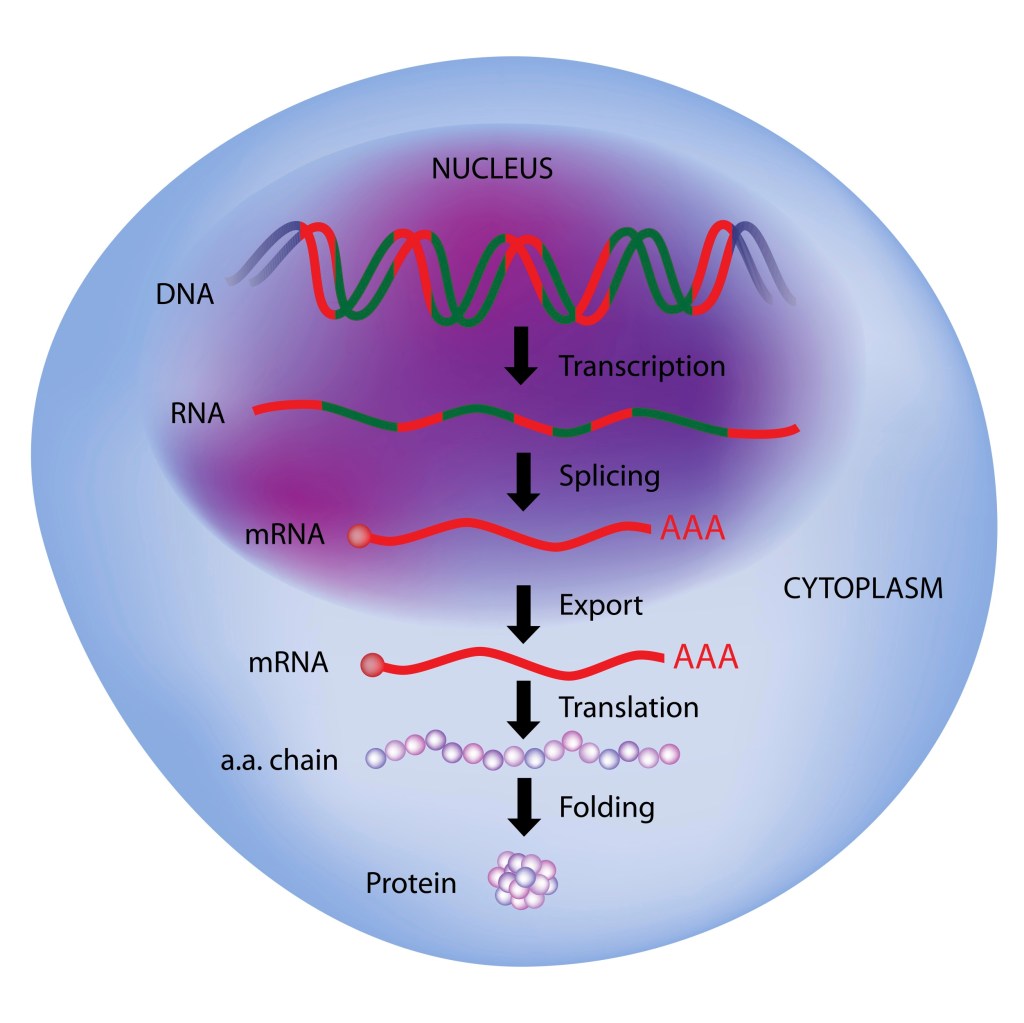
Illustration of the Central Dogma of Molecular Biology – Nuclear DNA is transcribed to an intermediate, called RNA, which is then used as a template for translation into amino acid chains that form proteins. Illustration credit: Shutterstock.

So what does DNA actually do, or perhaps the better question, how does the information encoded in DNA actually instruct the cell what to do? This gets into something call the Central Dogma of Molecular Biology. That’s a fancy title for the way in which the instructions encoded in DNA are used to manufacture proteins, the work horses of cells. Now, when most people think about proteins, they envision a juicy piece of meat or powerful muscles, and the components used to build muscle fibers are proteins. But proteins are much more than that. They are the essential building blocks of cells, which in turn build tissues, organs, and all parts of the body. They can be structural, like the fibers that form the cell’s cytoskeleton and histone proteins that wrap around DNA strands and protect them. They can be functional, forming enzymes that do everything from metabolize nutrients, breaking them down into usable building blocks for building biomass and generating energy for the cell. They also play a critical role in transmitting information within cells and between cells, integrating communication between different parts of the body.

Proteins are made up of chains of amino acids, and the order in which they are put together is determined by the sequence of the portion of DNA that encodes that protein. That sequence is called a gene. But as a matter of practicality, since DNA is housed in a subcellular organelle called the nucleus and therefore inaccessible to the protein production machinery in the cytoplasm, and because the cell needs to protect the integrity of its DNA, proteins are not built using pieces of actual DNA. The portion of the DNA, the gene, that encodes instructions for making a specific protein, is first transcribed into an intermediate molecule, call messenger RNA. Transcriptional machinery within the nucleus unwinds and separates the DNA strands, using one strand to copy the information necessary to build a protein. The messenger RNA molecule is then transported out of the nucleus and used by the protein synthesis machinery to translate the information encoded by the mRNA to protein. That’s the Central Dogma: DNA transcribed to RNA, and RNA translated to protein.

The abnormal growth that is cancer is controlled by abnormal proteins that were once (supposed to be) normal proteins. Most of the proteins that drive cancer are proteins that regulate cellular division and cellular survival, and they fall into two basic categories: oncoproteins and tumor suppressors. Oncoproteins are hyperactive proteins that start out as normal proteins, encoded by normal genes, proto-oncogenes. They become oncogenes due to alterations in DNA: mutations that change the DNA sequence, which in turn changes the amino acid encoded and the function of the protein; DNA repair mistakes that cause multiple copies of genes (amplification) to produce too much of a protein that drives growth and survival; changes in DNA that make the gene more accessible, which in turn causes the cell to make more copies of the encoded protein. DNA damage that causes breaks, which can eliminate genes that normally keep cell growth controlled, can silence tumor suppressors.

Types of DNA damage – if damage is not repaired or is improperly repaired, alterations in DNA (e.g. mutations, deletions, amplifications) that encodes growth and/or survival genes can lead to malignant transformation of a normal cell into a cancer cell. Link to photo source.

What’s worse is that the longer the cancer grows unchecked, the more mutations and DNA changes it collects. Those alterations and mutations that give the cell an advantage (more growth, better survival, the ability to break away from the tumor mass and spread) make the cancer more aggressive and difficult to treat.

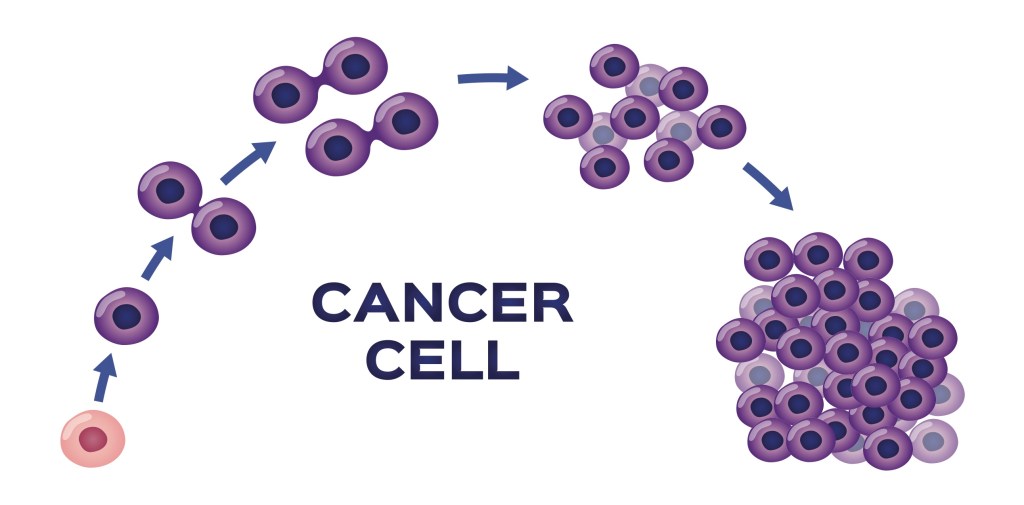
Cancer Formation and Abnormal Growth – Illustration credit: Deposit Photos.

In my next post, I’ll cover the process of malignant transformation of breast cells, which leads to breast cancer.

Screw The Woo Woo: Please Don’t Put Candles in Your Ears (Something I Never Thought I’d Have To Write)

As long as the Internet exists, I will (sadly) NEVER run out of things to blog about on the woo woo front. Scratch that, as long as people exist, I’ll never run out of things to blog about on the woo woo front. For today’s installment, I’ll be covering the bizarre and dangerous practice of ear candling.

Ear candling. As in shoving a FUCKING CANDLE into your EAR and LIGHTING IT to somehow magically clean out earwax and toxins and or some such nonsense. Unlike other woo woo scams I’ve covered, this one has absolutely no science associated with its claims. Rather than misrepresenting science, it simply ignores it. And, as usual with this bullshit, its proponents claim it can ~definitely~ cure your cancer.

Spoiler alert – sticking a lit candle into your ear canal will NOT cure any type of cancer.

As usual, no links to sites that actually support this practice, but the “practice” goes as follows: (1) get a fabric cone soaked in wax or paraffin (blessing by a fake, culturally appropriating “shaman” optional); (2) cut a hole in the bottom of a paper plate or tin pan and stick the side you don’t light through the hole – this will keep wax and ash from falling on your face, because safety first (*snort*); (3) lie on your side, stick the end of the candle you don’t light in your ear canal, and get a friend to light the candle; (4) relax while you make like a human candle holder for about 15 minutes then repeat with the other ear.

Why would anyone do this? The “theory” is that the burning candle creates a gentle suction that pulls earwax and gross toxins out of your ear. Alternatively, the low heat from the burning candle is thought to melt earwax and allow it to fall out of the ear canal naturally after a few days. Some even claim you can open the candle and see all of the disgusting material sucked out of your ear, kind of like viewing (in horror and fascination) what peel-off face masks pull out of your pores.

Trust me, what came out of my face that day was NOT pretty, but my skin did feel smoother after…

Other wild claims about the supposed benefits of ear candling (also called ear or auricular coning, thermal/thermo-auricular therapy, candle/coning therapy) include:

removing wax, bacteria, and other debris from the ear canal
treating sinus infections
improving hearing or reversing hearing loss
relieving sore throats
treating colds and flus
relieving headaches and migraines
improving mental clarity
purifying the blood
improving lymphatic circulation
clearing the eyes and improving vision
reducing pain related to jaw aches and temporomandibular disorders
reducing tension and stress
reducing vertigo

Not only are there no studies to substantiate any of these benefits, the FDA has been warning the public against this dangerous practice, with risks including:

starting a fire
burns to the face, ear canal, eardrum, and middle ear
injury to the ear from dripping wax
ears plugged by candle wax
bleeding
puncture of the eardrum
delay in seeking needed medical care for underlying conditions such as sinus and ear infections, hearing loss, cancer, and temporomandibular joint (TMJ) disorders. (TMJ disorders often cause headache and painful sensations in the area of the ear, jaw, and face).

Bottom line: if you are bothered by what you believe is excess earwax, sinus and ear infections, TMJ, or other ailments, see a healthcare provider. Sticking a candle in your ear is not a solution, and, quite frankly, it’s a really stupid and dangerous thing to do. Stick to using candles for mood lighting and ambiance.

Heading Photo Credit: https://www.pexels.com/photo/bright-burn-burnt-candle-278823/

Don’t Be A Hero – See A Therapist!

Living with cancer (even post diagnosis, treatment, and in remission, once you’ve had cancer, you’re always living with it) is weird. One minute I’m going about my day and not thinking about my body, my janky scars, and what’s left of my boobs (which I’m soooooooooo grateful to still have). Then, at strange, random moments, I’ll suddenly stop and think, “Fuck, I had cancer! I might still have cancer. What if it’s still there? What if it’s hiding out in my body and lurking, getting ready to say ‘Boo!’ two, five, ten, twenty years down the road?”

That shit will keep you up at night, give you panic attacks, make you hypervigilant (i.e. your lizard brain starts looking for threats around every corner), and make you tough to live with – even for you. I’d been down that road before with two bouts of postpartum depression (PPD) after the birth of each of my children. I recognized the symptoms once I slowed down and stopped using my favorite unhealthy coping mechanism – avoidance. Shortly after my diagnosis, I worked to the point of exhaustion in the lab, at home, and on my side gig, staying up late in the name of productivity and maximizing creativity, but I wasn’t fooling anyone.

I was fucking terrified.

After a year and a half of ups and downs – with a short stint of therapy before I learned I wouldn’t need chemotherapy – I gave myself a cosmic kick in the ass, acknowledged that I was not fine, and that I needed help. I’d tried using the Cognitive Behavioral Therapy (CBT) techniques I’d learned while in treatment for PPD, and I’ve been on anti-depressant medication for years (and make no apologies for it – if you can’t make your own neurotransmitters, store bought is fine), but I was still losing sleep and spending so much time worrying about if/when the cancer might come back that I wasn’t fully enjoying the life I was lucky to have.

I stopped, took a deep breath, and (finally) pondered what I’d been through with cancer – the shock and terror of the diagnosis; the fog of uncertainty while waiting for pathology reports, blood work; weighing the pros and cons of each surgical options; the needles for biopsies and implantation of SAVI SCOUT devices; waking up to a new body after surgery; finding out I had a positive lymph node; the burn of that tender healing flesh during and after radiation therapy; the indignities of hormone suppression therapy; loss of time with family, loss of work, loss of my life as I knew it and coming to terms with a new life.

I was alive, I’d been able to skip chemotherapy, and my prognosis was great, and yet, I was still broken. Looking at the list from above, it seems like a no-brainer. Of COURSE I was broken. But my biggest blindspot was and is me. It took a while, but I finally understood that I couldn’t process this on my own. I needed help so I could be the best version of myself for my family, my friends, my colleagues, my community, and myself.

So I got myself back in therapy, got a refresher on CBT along with adding mindfulness meditation, breathing exercises beyond the standard inhale for four beats and exhale for four beats to stave off anxiety (inhaling for four beats and exhaling for seven worked wonders for my sleep cycle), and the COOOLEST of all new (to me) techniques – postponed worrying! This has been a game-changer for me. I’m a scheduler – working mom with two side gigs and a husband who’s out of town half the week. I’m also a worrier. The simple act of taking time to sit down and devote my attention to my worries (writing them down and, using CBT techniques, identifying and fighting cognitive distortions) for a set amount of time has helped me NOT dwell on those worries for the rest of the day.

There are no downsides to taking care of your mental health, and plenty of benefits. The best part? In addition to helping you live your best, quality life, taking care of your mental health can be beneficial to outcomes like decreased recurrence and longer survival. References here and here.

Will there still be hard days? Absolutely. And it’s okay to go down into the well of despair. What therapy can do is give you the tools you need to climb out of that well and get back to your regularly scheduled life.

Looking for mental health care resources, or maybe support groups? Here are some places to start: American Cancer Society, American Association for Cancer Research, Susan G. Komen, Cancer Support Helpline. Gilda’s Club is also a fantastic resource for cancer patients, survivors, and their families!

Special note – this post is by no means an endorsement of “the power of positive thinking” and toxic positivity (that’s a thing – people who tell you to just shut out natural, negative emotions associated with trauma are dickwagons and you should walk away from them. You have to process your emotions in a healthy way).

Screw The Woo Woo: Antioxidants and Cancer (When Woo Shows Up At A Freakin’ Science Conference!)

Greetings! I’m writing this blog post from Singapore, where I attended The International Congress of Cancer and Clinical Oncology. One of the perks of this geeky job as a professional lab rat is that I get to travel to some really cool places to present the results of my scientific research. Now, you would think that a scientific conference should and would be immune to infiltration by the woo. Hell, that’s what I thought before I sat through a talk from a dude who runs a “private clinic” that offers, among other things, hyperthermia and antioxidant “therapies” for cancer patients, the latter of which includes juicing.

Not juicing in the steroid misuse sense, but literal drink-a-glass-of-carrot-juice-and-you-will-reduce-free-radicals-in-your-tumor sense. The guy was literally pushing antioxidants like vitamin C, green tea, and juice – carrot juice, grapefruit juice, but not beet juice (high sugar) – as well as hyperthermia (heat treatment) and intermittent fasting (one of the new fads in weight loss) to treat cancer.

He even cited Linus Pauling, father of the woo woo based vitamin cult that gave rise to western obsession with supplements. His wild (and scientifically UNFOUNDED) claims that high doses of vitamin C could cure everything from the common cold to the flu to cancer still plague bookstores, the wellness industry, and popular culture. They are COMPLETELY UNTRUE!

Fuckballs. I thought about walking out of the talk, but then decided it would give me the opportunity to understand the mind and inner workings of a woo woo peddler in a fucked up know-your-enemy kind of way. Then, I set about dissecting his bullshit claims and countering them with the real scientific scoop.


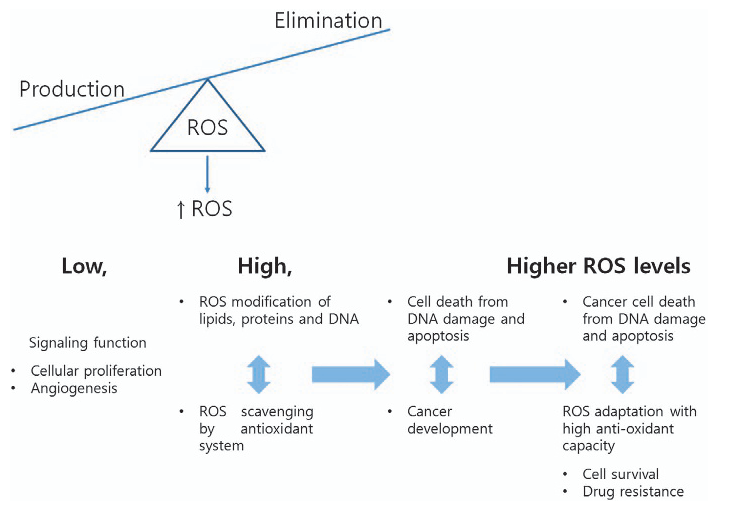
From Experimental & Molecular Medicine (2016) 48, e269; doi:10.1038/emm.2016.119

What do we know about oxidative stress in cancer? Cancer cells accumulate reactive oxygen species (ROS), including peroxide and superoxide, as byproducts of altered metabolism and dysfunction of mitochondria, the energy production center of all cells. These oxygen free radicals can act as mutagens, altering DNA and, when the mutation hits an oncogene, tumor suppressor gene, or gene that affects the cell’s ability to move, the mutation drive disease progression. ROS also induce inflammatory responses that drive cancer growth, survival, and progression. Since ROS benefit the tumor, therapies designed to block ROS with antioxidants should help patients with cancer, right?

Well, as with most aspects of cancer, the story in much more complicated. Turns out, antioxidants have actually been shown to make cancers worse in the laboratory setting and perhaps in humans! How’s that possible? Well, it turns out that high levels of ROS induce oxidative stress in tumor cells and drive them to die. Cancer cells, including breast cancer cells, fine tune their redox balance to different state that normal cells to take advantage of the growth benefits while avoiding levels that would induce cell death.

And that, dear followers, is part of the problem with woo woo, particularly this kind of woo woo that, on first glance, seems reasonable and incorporates bits of legitimate science into the scam. What’s the harm? Well, for patients visiting this guy’s clinic between rounds of chemotherapy – or for patients who skip prescribed, medically/scientifically vetted therapies in pursuit of “natural cures,” – the consequences could be deadly. And even if sitting in a heat chamber and drinking tons of juices doesn’t hurt in the health sense, it could definitely hurt the patient’s wallet.

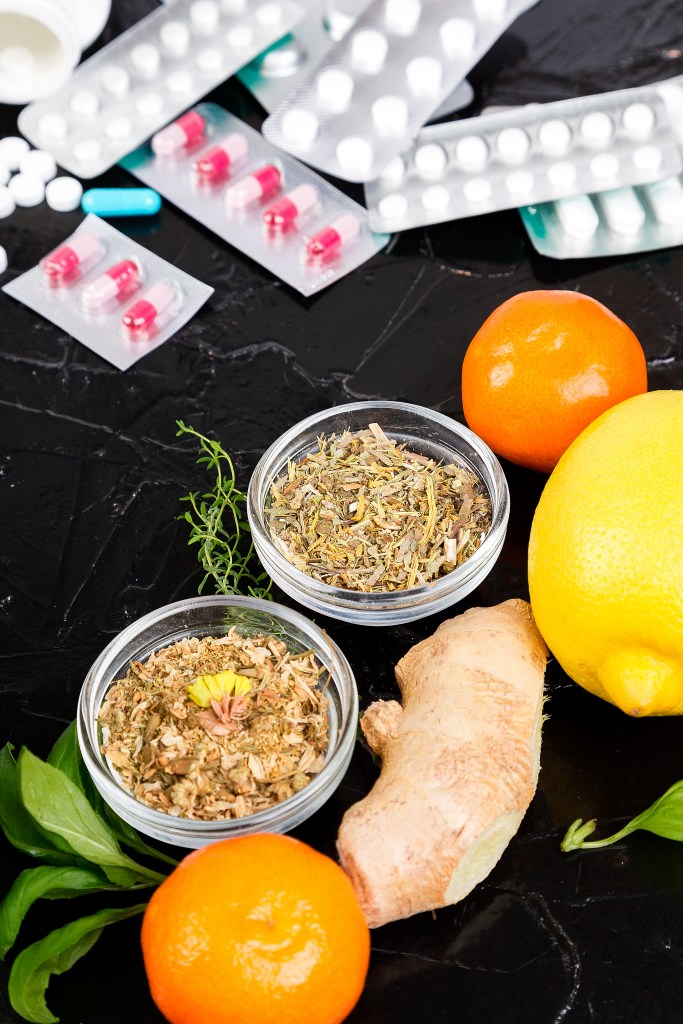
Bottom line – if you want to add supplements or try alternative therapies (make sure they are COMPLIMENTARY alternative therapies – CAM – that work with your standard of care medical therapy), check with your doctor to determine whether it’s safe and beneficial.

References: Why Vitamin Pills Don’t Work, And May Be Bad For You; How Oxidative Stress May Kill Cancer Cells; Altered Tumor Metabolism Leads to Intensification of Oxidative Stress and Tumor Cell Death

Screw the Woo Woo: For The Love of The Flying Spaghetti Monster Do NOT Sun Your Bunghole!

Beavis and Butt-head are the intellectual property of
Mike Judge.

In this installment of Screw The Woo Woo, I’m tackling a “wellness” trend that’s been making the rounds on social media, including my Facebook feed, and that is disturbing on sooooooooo many levels: butthole sunning. At first, I thought it was a joke. I really, REALLY hoped it was a joke. Then again, jade eggs for the vagina, vagina steaming, and coffee enemas were (and apparently still are) a thing, so what’s one more bizarre bit of ridiculousness in the wooniverse? This isn’t directly related to breast cancer, BUT(T), since ultraviolet light from the sun can cause skin cancer, I’ve decided to tackle the subject and debunk its alleged benefits to, er, bring to light the very real dangers of exposing your junk to the sun.

That and one of the proponents of this weird ass practice is making shady claims about how butthole sunning balances hormones in the sex organs. It doesn’t. More on that later.

First off, the notion that sunlight can enter your body through your vagina or anus is ludicrous, as is the notion that butthole sunning prevents the leakage of “chi” from the body, mostly because “chi” isn’t a thing, and if you’re experiencing any kind of leakage from your anus or genitals, you DEFINITELY need to seek your doctor. The vagina doesn’t just magically open to the heavens like a flower when you open your legs to the sun. Don’t believe me? Read The Vagina Bible by Dr. Jen Gunter, M.D. and gynecologist who covers everything you need to know about care and maintenance of your girly parts.

In addition to blocking chi leakage, woo woo practitioner MetaphysicalMegan (~a clearly qualified source of accurate, reliable information~) claims that sunning your perineum (a.k.a. the taint, the gooch, the fleshy fun bridge) provides a myriad of health benefits (link to a story that shares her tweet – I refuse to link directly to woo woo bullshit sites) – such as regulating “hormone function in the sex organs.”

That claim is a GIANT steaming pile of bullshit.

Hormone function in sex organs is regulated by intracellular hormone receptors expressed in the cells of internal sex organs that are well-protected from the outside world, including sunlight. For example, estrogen receptors in females are expressed in mammary glandular epithelium deep within breast tissue (where they can contribute to the growth of breast cancer cells in ER+ disease), the endometrial tissue that lines the uterus (internal organ protected from sunlight), ovary, bone (which is why bone loss is a concern for menopausal women and breast cancer patients on estrogen suppression therapy – estrogen contributes to cellular signaling pathways that promote bone growth), and other organs and tissues that are protected from the elements. As sunlight cannot reach estrogen receptor expressing cells, it cannot influence the function of estrogen signaling within them.

But what’s the harm, you might ask? Lots of people believe in and incorporate New Age and Wellness practices into their daily lives. Well, in this case, exposing delicate skin to ultraviolet sun rays without the benefit of sunscreen can actually be harmful. Ultraviolet light breaks bonds in the nucleotide bases (thymine and cyotsine) of DNA in skin cells that absorb it. This can facilitate abnormal bonding between adjacent thymine (thymine dimers) and cytosine (cytosine dimers) that form kinks in DNA. If not repaired, this can lead to DNA mutations that contribute to the development of skin cancers. Now, MetaphysicalMegan recommends 30 seconds, but given that every second you are in the sun, 50 to 100 of these dimers are formed in each skin cell. That’s a hell of a place to risk getting skin cancer, not to mention that the proverbial “places where the sun don’t shine” are horrible places to get a freakin’ sunburn!

Bottom (giggle snort) line: exposing your asshole/taint/vagina/penis/nutsack to the sun isn’t going to help your health. It’ll probably give you a sunburn, it can increase your risk of skin cancer, and it will most certainly make you look like a fucking idiot. Don’t do it.

Publicly available references from The US National Library of Medicine, National Institutes of Health: Estrogen receptor expression and function in female reproductive disease; Estrogen receptors and human disease: an update

*Apparently Josh Brolin tried butthole/perineum sunning and, not surprisingly, regretted it. Yup, not even Thanos can handle that flavor of sick burn. The evil part of me REALLY hopes that Ryan Reynolds works in some butthole sunning jokes at Cable’s expense in the next Deadpool film!

Maybe they’ll even do a little superhero bro bonding with joint butthole sunning. They could even bring along Colosus and Dopinder.

I mean, who DOESN’T want to see dat ass? You’re picturing it. I know you are!

Screw The Woo Woo: Turmeric and Cancer

Part of my mission in promoting science is fighting pseudoscience, scams, myths, and misinformation. This is the first in a series of Screw the Woo Woo posts. Woo woo, “supernatural, paranormal, occult, or pseudoscientific phenomena, or emotion-based beliefs and explanations,” is the antithesis of science. Unfortunately, woo woo is flashier and easier to market. From purveyors of alternative medicine, wellness and nutrition “gurus,” the diet and supplement industry, and new age whackadoodles, the woo woo movement offers the lure of “ancient wisdom,” “natural” alternatives to the evils of chemical medicines and toxins (spoiler alert – everything is made of fucking chemicals, and if you want to get rid of toxins, all you need are functioning liver and kidneys), and easy peasy lose-the-weight-and-keep-it-off-without-diet-and-exercise scams.

The “war” between medicine and so-called “natural” remedies is really fucking stupid.

Legit sciences needs better PR and marketing.

My mission is to help with that, as well as helping the public fine-tune their bullshit-o-meters in the Internet age.

Soto ayam – see link below for recipe

Now, I can’t tackle all of these issues, but I can and will do my part to dispel some common myths I’ve encountered as they relate to cancer and breast cancer, starting with turmeric. I love curry, soto ayam, and other delicious South Asian recipes featuring this delicious spice. Turmeric gets a lot of attention for being a health food with medicinal properties. Don’t believe me? Google it. You’ll find a slew of sites selling turmeric as a supplement, articles from such ~reputable~ (see ~? That’s the sarcasm symbol) sources like healthline.com (I refuse to link to woo sites) touting the “10 Proven Health Benefits of Turmeric and Curcumin.” One of the benefits reported by the supplement/diet/nutrition/new-age/woo woo movement is that turmeric prevents and/or cures cancer.

So, let me break it down, because it’s, well, complicated. The short answer to the question, “Will eating boatloads of turmeric keep me from getting cancer or treat my cancer?” is no. The compound Curcumin, scientifically known as (1E,6E)‑1,7‑bis(4‑hydroxy‑3‑-methoxyphenyl) hepta‑1,6‑diene‑3,5‑dione, is natural polyphenol that is derived from the turmeric plant. This compound is, in fact, being actively investigated for anticancer activity. Here’s where it gets tricky, though, as noted by Alexander Pope – A little learning is a dangerous thing ; Drink deep, or taste not the Pierian spring. In other words, you’ve got to dig a little deeper when it comes to reports of so-called “health foods” and “superfoods.” Yes, there is some evidence that, in a laboratory setting, Curcumin can interfere with the ability of cancer cells grown in a dish to divide and survive (growth), move (an essential part of invasion and metastatic spread), and attract blood vessels that feed the tumor (angiogenesis). It also shows some activity in animal models of cancer (human tumors grown in mice) and has reportedly shown some benefit in clinical trials*. So that means we should all be eating turmeric all the time, right?

Not so fast. Yes, Curcumin may help fight cancer – though more research is needed – but there are problems with the leap between eating turmeric and getting the benefits of Curcumin. For starters, Curcumin only constitutes 2-3% of the turmeric root, so in order to get enough Curcumin from eating this spice (which, like most spices, is used pretty sparingly to flavor food), you’d have to eat truckloads. Then there’s the problem of pharmacokinetics (PK) – a fancy way of saying how stable a compound is in the human body and how well it reaches its target. “The bioavailability of Curcumin is low because of poor absorption, rapid elimination and/or low target organ concentration. This is due to the reason that Curcumin is conjugated when it is absorbed through the intestine, consequently free Curcumin is present in extremely low level at the target organ.”* Before this can be applied clinically, the PK needs to be greatly improved. It’s also the reason that taking Curcumin supplements probably won’t do you much good.

But what’s the harm? Aside from separating fact (turmeric is delicious) and fiction (eating turmeric will prevent and/or treat cancer), like all chemicals, natural or synthetic, it interacts with other chemicals in the human body. According to Susan G. Komen for the Cure, Curcumin may interfere with the activity of some anti-cancer medicines, including chemotherapy and anti-estrogen therapies. Talk to your doc and make sure you tell your health care team about any supplements you’re taking or thinking about taking so they can help you weigh the risks, benefits, and dispel any misinformation or misconceptions about them.

Bottom line – no, turmeric isn’t going to protect you from cancer or cure any cancer you may already have. Your best protection is a healthy diet, exercise, avoiding tobacco, too much sun, and keeping up with your health screenings. Enjoy turmeric for the flavor, and rely on medicine for healthcare!

*Front Chem. 2014; 2: 113. – the link is to the publicly available version of this 2014 review article on Curcumin and cancer.

Soto ayam is an abso-freaking-lutely DELICIOUS soup that is super fun to make! I learned from an Indonesian-American, but this recipe is a decent approximation. For the paste used the flavor the broth, she recommended a mixture of shallots, garlic, ginger (fresh), turmeric (powder), macadamia nuts crushed with mortar and pestle. Once prepared, hot broth is poured over a bed of jasmine rice, thin rice vermicelli noodles, bean sprouts, parsley or Thai basil, sliced green onions, chicken breast, and a boiled egg, halved.

Sex After Breast Cancer – What You Can Do to Get Your Groove Back

This is the first in a series of posts about sex, sexual dysfunction, and available treatment options for breast cancer survivors. Before we get started, disclaimer: I am NOT a medical doctor. I’m speaking as a scientist and a survivor. I encourage all breast cancer survivors to have frank discussions with their oncologists and other physicians on their care teams about sexual dysfunction that often results from surgery, chemotherapy, radiation, estrogen suppression and other therapies.

First thing’s first – do not let ANYONE tell you that you shouldn’t complain about sexual dysfunction because (a) you should just be grateful to be alive, (b) you’re too old to be thinking about sex, (c) it’s just something women have to deal with because of the mystery and complexity of women’s bodies or some other fucking bullshit. You DESERVE to experience sexual pleasure and satisfaction. You have every right to SEEK treatments.

Seriously, there are at least 4-6 boner pills on the market, and no one’s busting old men’s balls about using them. And insurance covers them. Spoiler alert – insurance doesn’t cover most of what’s available for women. #fuckthepatriarchy

So, what causes sexual dysfunction? Well, for starters, getting your boobs CUT ON OR CUT OFF has a MAJOR impact on body image and sexual function. With a total mastectomy*, most women lose their nipples as well as sensation in the area of reconstruction. Now, for me, nipple sensation is a pretty big deal for sexual gratification. I was lucky enough to be a candidate for oncoplastic surgery – which is a fancy way of saying I was able to have a large lumpectomy followed by breast reduction and a lift. Even though I was lucky enough to have breast conserving surgery, my nipple sensation isn’t the same. I mean, my surgeon (who is wonderful and this is not meant to disparage him in any way) cut around my nipples in the process of moving them higher on my breasts after removing excess skin and lifting. Sometimes, I get weird tingling sensations akin to electric shocks in my nipples, and the psychological effects of surgery definitely affected my desire to have them touched and stroked. I have a FANTASTIC husband who helped me find my new normal in the bedroom, but it was and still sometimes is a struggle.

First best advice – get to know your new body on your own. Explore the terrain, find out what feels good and what doesn’t. There’s an adjustment period, and you won’t be the same, but you CAN find pleasure again.

In addition to surgery, breast cancer treatments like chemotherapy, radiation, estrogen blockers, and other drugs can wreak havoc on your body, your sexual desire and responses, and your ability to achieve orgasm. In my case, thanks to medically-induced menopause, I’ve experienced vaginal dryness and problems climaxing. My spirit and body are willing for the most part, but it’s a LOT harder to get there. Fortunately, I’m not shy and asked my medical oncologist what could be done, and even better, I found out that there are actually options available to help. Not enough. We need more research, but there are treatments available. I’ll talk about a few of them in this post and will cover more as I learn about them and try them.

**.Vaginal lubrication and hydration – chemotherapy (which can push women into menopause) and medically induced menopause/estrogen suppression therapy can make your vajazzle as dry as the Sahara, which is uncomfortable in general and during sex in particular. Replens vaginal moisturizer is commonly recommended, and it’s helped me personally. Another product I’ve tried is Revaree, a vaginal moisturizer that contains hyaluronic acid, which attracts and retains moisture. I’m on the fence about which I like best, but both have helped, and they have the benefit of being hormone-free. However, be aware that Revaree, unlike Replens, is not compatible with condoms. Aside from moisture and hydration, lube is your best bedroom friend!

**Arousal and climax – I was pleasantly surprised to learn that there are more options than I anticipated. One that I tried recently is Vyleesi, a treatment for hypoactive (low) sexual desire disorder (HSDD). It’s injectable, so if you’re squeamish about needles, take that into consideration. On the other hand, it’s like an Epipen in that it’s preloaded and injection is as easy as a push and a click. One of the side effects is nausea, which I did experience, but it’s reported to go away over time. I’ll report back on that. What I CAN report is that it worked well for me in terms of achieving orgasm! One trial so far, but I’ll repeat the experiment for sure. Something that I haven’t yet tried but plan to test out are topical treatments, including “scream cream.” There are various formulations that can include hormones or be hormone-free. The hormone-free varieties often include active ingredients like sildenafil (active ingredient in Viagra), and other vasodilators, which stimulate blood flow by relaxing the vascular smooth muscles. These treatments do require a prescription and can be ordered from online pharmacies.

Toys and aids – vibrators are AMAZING! There are so many varieties to choose from, and they’re super fun to use and add to your bedroom game. I used a couple before cancer, and they are staples for me post breast cancer. Some of my favorites include the Dame Fin, Butterfly Kiss, and Rabbit styles. Don’t want to visit a sex shop? You can find EVERYTHING online, including sex toys, and have them delivered discreetly right to your door. Again, test them out and explore on your own as you get to know and accept your new body. Find out what works for you, and definitely get your partner involved in the fun. Pros include price and safety. You don’t have to spend a fortune, and you don’t need hormones or other drugs to enjoy toys – just don’t go…too big too fast.

**Laser Therapy – Not going to lie – hearing the word “laser” as a treatment for vaginas, as in OMFG you’re going to LAZE my vajayjay??!! scared the crap out of me. But, being a rational person, I listened with an open mind and am now considering this treatment. And, treatments like this offer hope for women suffering from vaginal atrophy. MonaLisa Touch is one laser treatment option that stimulates collagen production for tissue regeneration. Aside from the whole laser to the vagina thing, cons include expense. And (not surprisingly, but still infuriating) insurance doesn’t cover the procedure.

State of mind – A healthy body and mind are key for great sex. Aside from the usual stuff – eat right, drink plenty of water, exercise – mindfulness and meditation are great tools for stress relief and relaxation, which is key to satisfying sex and reaching climax. They’ve helped me in and out of the bedroom. Know what else has helped? Romance novels! Now, I’m totally biased because I write romance as my side hustle, but I was an avid reader LONG before that. A great love story can be just the thing to spark desire and fantasy. The mind is truly the most powerful sex organ. One of my go-to sites for romance recommendations, Smart Bitches Trashy Books, covers romance novels featuring cancer survivor characters and recommendations for cancer survivors!

This is the short list and the beginning of my coverage of this topic. I hope it becomes a conversation. Feel free to comment or message me. Share your experiences, tell me (and my growing group of followers) what works for you, what doesn’t, and how you go about broaching the subject with your doctor, your partner, or other professionals. Knowledge is power, and knowing you aren’t alone out there is powerful and healing, too!

*Nipple-sparing mastectomies are a thing and definitely worth asking your breast surgeon about.

**Most of this information comes from the Women’s Institute for Sexual Health (WISH) in Nashville, a FANTASTIC resource for women experiencing sexual dysfunction.