Advocacy 101 – What I Learned from Training

I learned so many new things today at Patient Advocacy Orientation! My best days are when I’m learning new things. It’s one of the things I love best about being a scientist, and it’s a great foundation upon which to build for my new work as a Patient Advocate.

What exactly are advocates and what do they do? In terms of Research Advocacy Programs, advocates are disease survivors (cancer survivors in my case), caregivers, and members of the community who provide the patient perspective to researchers to help shape the nature and direction of cancer research and patient care. Their role is critical, as they serve as a voice for patients, helping investigators tailor their research with patients concerns in mind – not just in terms of outcomes and sound science, but also in terms patient comfort, respect for patient rights and dignity, and beneficence. This means making sure the goals of research are focused on and aligned with serving patient needs and improving outcomes and quality of life.

This seems pretty intuitive, and I believe most investigators are truly committed and passionate about doing research that will make a difference, be it developing new treatments, better diagnostic tools, reducing side effects of existing treatments, and improving survival and quality of life for patients. I certainly was and am. But most investigators don’t experience what patients do – except in cases like mine where researchers become patients and survivors. My experience certainly changed my perspective, which is why I want to share what I’ve learned with both the research and survivor communities.

That mission became more urgent for me today in the face of some jarring statistics. Tennessee and the surrounding regions have some of the highest cancer death rates in the United States.
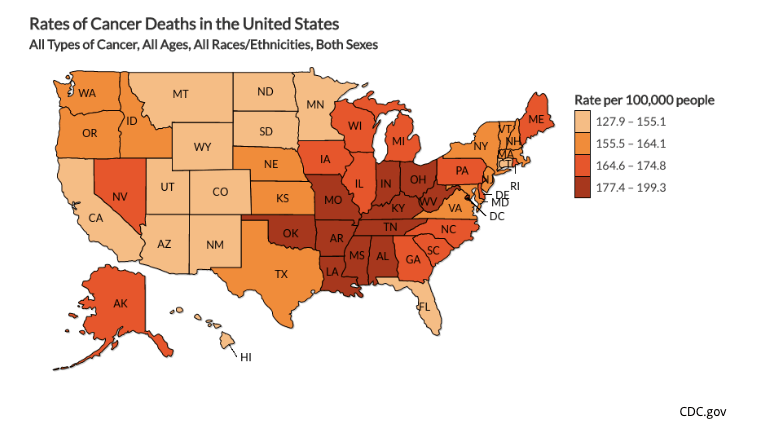
Link to source.

Comparing the map above to the map below that shows new cancer cases diagnosed by state, incidence, the frequency with which cancer occurs, doesn’t fully explain higher death rates.

Link to source.

My heart sank when I saw these data, and really drove home my privilege. I am well-educated, have a high socioeconomic status, have access to insurance coverage and some of the best health care available in the United States, and I have inside information based on my work as a breast cancer researcher.

I’m lucky. Far too many of my fellow Tennesseans and Southerners are not. My Institution and Affiliated Cancer Center serve this region. I want to be a part of better serving patients in this region, which will be a HUGE focus of my advocacy work.

What will this work involve? One of the ways I think I can be of use is by helping recruit patients for clinical trials. According to what I learned today, many promising new drugs do not make it through Phase III clinical trial testing* due to failure to accrue enough patients to sufficiently test their effectiveness. That’s such a shame and missed opportunity. Of course, there are many barriers for patient participation in clinical trials – fear/lack of understanding; lack of access due to barriers to travel/transportation, unmet childcare needs, inability to take time off work, etc.; disparities that make minority populations reluctant to participate**. While I am not in a position to combat access to trials, I am in a position to serve as a liaison between patients and clinical researchers accruing patients for trials. I can help educate potential trial participants in the process, assure them of their rights (including the ability to stop participating at any time), alleviate fears through helping patients understand the benefits and how they might be helping a great number of future cancer patients. I am also working with African American advocates and other advocates of color to understand and be sensitive to those communities, their histories, and their needs.

Those needs are great, particularly in terms of breast cancer outcomes. African American women diagnosed with breast cancer have lower overall survival rates compared to white women. Finding out why is crucial for closing the gap. Increasing African American participation in clinical trials is a key part of that process.

Link to source.

For more on cancer disparities across ethnic groups, click here.

Bottom line: I’ve got work to do, and I’m excited to work with my fellow survivors to help patients now and in the future. Interested in becoming an advocate? Here are some resources that can help! My Institution’s Advocacy Resources, How Patient Advocates Help Cancer Research: Expert Q&A, Why Patient Advocacy is Vital.

*I’ll cover clinical trials in more detail in a future post. Click here to learn more now. Phase III trials test drugs that have already been proven safe and promising in terms of effectiveness.

**African Americans remember the horrific abuses perpetrated by scientific investigators, including those in charge of Tuskegee Study of Syphilis – which resulted in hundreds of African Americans being denied treatment in order to study the long term effects of untreated syphilis
Screw The Woo Woo: Essential Oils Won’t Cure Your Cancer

Essential oils. They’re EVERYWHERE! Articles and posts touting their alleged benefits are all over social media, some news media, and the Internet. A Google search I performed today yielded 1.7 billion results. 1.7 BILLION! Yup, there’s a LOT of buzz about the wonders and medicinal benefits of essential oils.

And almost all of it 100% certified Grade A Bullshit.

This post is dedicated to debunking one of my least favorite bullshit woo woo scams (second only to homeopathy). And I will do so with the power of science and snark, because that’s just who I am as a person.

So what are essential oils? They are oils purified from plants and carry the aroma of the source from which they are extracted. Their name comes from the fact that they are thought to contain the essence of their source, and they smell pretty good thanks to terpenoids, aromatic organic compounds produced by plants that often function as chemical protection against herbivores, insects, and microbes. They also serve as attractants for pollinators, seed dispersers, and in mediating plant–plant and plant–microbe communication. Humans enjoy them because they smell and in some cases taste really good. Sadly, allergies prevent me from enjoying the florals, but I enjoy herbals and fruit oils in a wide array of products – cosmetics, soaps, perfumes, lotions, bath products, and many food items. They’re just nice.

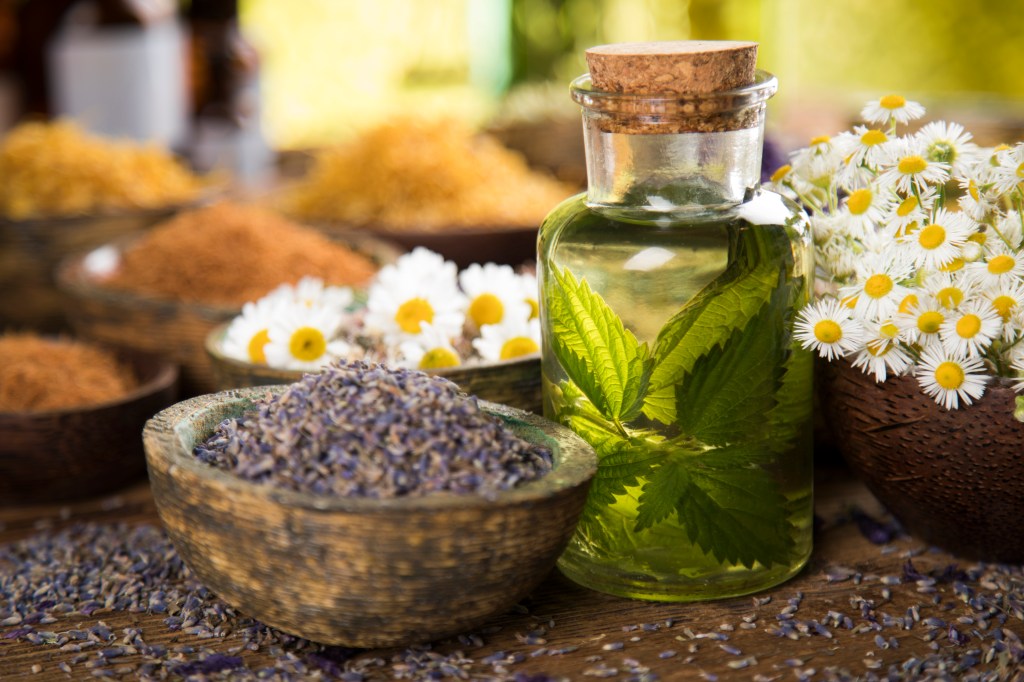
Fresh herbs and oils, wooden table background – we smell good and taste nice!

But do they have any medicinal value? What about medicinal value when it comes to cancer? Part of the issue with answering this question involves the (lack of) regulation when it comes to production and testing. The concentration of active chemicals in extracts can vary widely from plant to plant, which parts are processed (different concentrations in leaves, flowers, stems, and roots), which season the plants are harvested, which strains are sourced, etc. Without consistent batches subjected to quality control to assure consistent concentrations of active chemical components (like terpenoids), and without rigorous, scientific studies, we can only rely on anecdotal evidence and (often misleading) claims from suppliers. Some efforts are being made by the WHO for quality and safety evaluation of herbal products, including chemical fingerprint analysis*. Much like vitamins and supplements, which are not subject to the same rigorous FDA standards for safety and efficacy (how well it works) as drugs, essential oils fall under the category of “safe for their intended use,” which does not involve use as medical treatments. They’re considered safe until proven otherwise, a MUCH lower standard than FDA approved drugs.

More importantly, they are (by fairly low standards) rated for safety, but not for EFFICACY. That would require clinical trials and rigorous testing.

Should we be researching them? Sure! Some pre-clinical studies involving cultured cells (cells grow in a petri dish under laboratory conditions) and animal (primarily mouse) models have been published. A systematic review of the literature from 2014 to 2019 identified 79 studies that fit inclusion criteria – including studies investigating essential oils with anti-microbial and immunomodulatory (affects the host immune response) properties, nutrition studies, studies with controls and proper statistical analyses. Of those studies, many documented the anti-microbial (bacteria fighting) and anti-fungal (fungus fighting) properties, antioxidant properties that may help slow food spoilage, and anti-inflammatory properties in laboratory and agriculture models. And, in some preclinical studies, high doses of essential oils can kill cancer cells in culture in a laboratory setting. Does that mean they’ll do the same thing in humans? Not necessarily. See my post on turmeric.

Just for perspective, it’s pretty easy to kill cancer cells in culture in a laboratory setting. I once killed a dish by accidentally leaving the cells in phosphate buffered saline instead of growth media. Yes, salt water can kill cancer cells in culture. So can many drugs, but the majority of compounds with anti-cancer activity in cultured cancer cells and mouse models are not effective in human clinical trials. So, the jury is out on whether or not the active ingredients essential oils can help treat cancer. And inhaling the pleasing aromas produced by essential oils may effect mood, but it doesn’t do anything to thwart cancer growth, survival, or invasion.

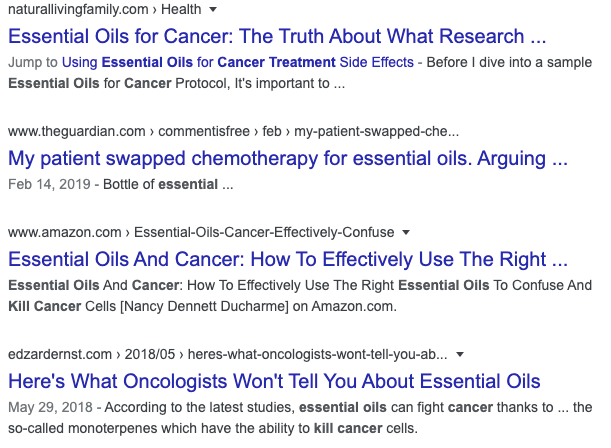
These observations definitely warrant more laboratory investigation, but as of this post, there is no evidence that essential oils fights cancer when inhaled or ingested or delivered in any other way into the human body. Advertisements by scammers like the ones listed below are lies:

These are some of the top hits under a Google search for “treating cancer with essential oils.” As is my standard policy, I will not share links for woo woo. The misinformation and outright lies are not only infuriating, they can prove deadly for patients who skip standard therapies in favor of alternative “therapies.” The stats are heartbreaking. In a Yale School of Medicine study (link to original publication here*), “patients who used alternative medicine in place of standard evidence-based medicine had a death rate 2.5 times higher than patients who received standard evidenced-based therapies.”

Women with non-metastatic breast cancer who opted for alternative “medicine” were ~ 6 times more likely to die within 5 1/2 years compared to women who received standard of care therapy. This is a small study – 281 patients – and captures data from patients who disclosed their decision to follow alternatives versus standard of care. It doesn’t include patients who do not disclose or discuss this with their health care providers, so the numbers could actually be higher.

For more information on aromatherapy – separating fact from fiction – click here. Check out this article, too. Bottom line: much like cannabis, essential oils may offer relief from the side effects of standard of care treatments, but they cannot cure cancer nor should they be used as a substitute for standard of care. Complimentary alternative medicine is fine, as it compliments proven therapies, but not on their own.

*Access to this article is limited by a paywall. If you want to read it for yourself, hit me up and I’ll send the PDF.

Fixing Mistakes – Putting Action Behind My Big, Fat Mouth

Yesterday, I wrote a post about scientific fact checkers and how scientists interact with them, using Dr. David Sabatini as an example. I did NOT expect the attention it garnered, but I do hope that Dr. Sabatini (if he read it) took it in the spirit in which it was intended. Like I noted in the original post, I’ve been following and admiring his work on mTOR for years. Thank in part to his efforts, mTOR inhibitors are in the clinic and are helping cancer patients fight their disease.

As a scientist, I find that very intellectually stimulating and gratifying. As a cancer survivor, I’m eternally grateful. Should my disease recur, torkinibs may be a part of my treatment plan, or perhaps third or fourth generation inhibitors. There are more options now thanks to the efforts of laboratory and clinical investigators around the world, and that gives us all so much hope!

At the end of the previous post, I noted that I, too, had been flagged on PubPeer for an error in a 2012 publication. What happened? In figure 4C, we inadvertently duplicated photomicrographs in the top panels:

Yup – the sharp-eyed PubPeer reviewer caught what the graduate student, collaborators, myself, my co-investigator, peer reviewers, and the journal production editors missed. The “Parental” and “Vector” images are identical. Not good. Now, this is a relatively minor error, but if left alone, it could lead to the perception that our laboratory group is sloppy and not as rigorous as we should be. In science, like many other fields, reputation is everything.

How does this happen? It’s a product of long hours poring over data, trying to select the best representations of experimental results, building figures and revising them…and revising them…and switching out panels and photos until the student or postdoc putting together the figures eyes are crossing. Many of them are sleep deprived, overloaded, and after a while, really numb to looking at the same data over and over again. Is that an excuse? No, it’s a reason, which is why study PIs, collaborators, reviewers, and the journal have a responsibility to double, triple, and quadruple check our papers before they’re sent out into the cyberverse for other scientists to read.

I take my part of the responsibility for this one. At the time, I was a Research Assistant Professor. While not on tenure-track, I was quite senior in the laboratory and had a duty to co-mentor and support the graduate students and fellows in the lab. My name was on the paper. I missed this and dropped the ball. That’s on me.

Fortunately, thanks to PubPeer, I have the opportunity to fix it!

After sorting through electronic files (thank GOODNESS our former lab members were organized), I was able to locate original images and generate correct (distinct) panels for Parental and Vector controls:

Submitted to PLoS One as a correction

I contacted PLoS One today to request a correction. They may not re-issue the paper due to time and cost constraints, but I do hope they’ll add the corrected figure panels to an addendum. I’ll report back on this once I hear from them.

Bottom line: We ALL make mistakes from time to time. Yet, our culture discourages us from owning those mistakes, as if they’re a mark of shame or weakness. Certainly admitting mistakes has become uncomfortable and taboo. That is something that needs to change. Owning mistakes and fixing them are signs of integrity. When I’m entering into new collaborations, I pay attention to how my potential co-investigators and their team handle mistakes. Admission and ownership of mistakes and efforts to correct them are signs that new collaborators are trustworthy, rigorous, and have integrity, essential qualities in modern science. Very few scientific studies are performed by a single laboratory/person in that laboratory. Shared labor is the norm, so trust is key.

I WANT to be known as trustworthy, as someone with integrity whose work can be trusted and reproduced. As someone who recently withdrew a submitted manuscript when we (to our horror) found out that many of the data weren’t reproducible, I’ve become more vigilant. And I’m a better scientist for it. Science is better for vigilance. And that’s a good thing.

Being a Great Scientist – How to (and NOT to) Handle Mistakes

In the age of the Internet, trolls and trollish behaviors have multiplied exponentially. Science is not immune. Many of us were late coming to social media, but more and more laboratories, institutions, programs, scientific organizations, conferences, professional organizations, and journals are engaging in Twitter and other outlets. Overall, this is a great thing! It is so satisfying to peruse science Twitter and catch up on all of the latest findings, hot new studies and publications, and enjoy a community of peers that extends beyond the halls of individual institutions.

But OF COURSE there are trolls and trollish folks in the Twitterverse. Smart people aren’t immune to this. It’s human nature. Not our best quality as a species, but it’s there nonetheless and it extends to people across professions, educational backgrounds, political and religious ideologies…you get the idea.

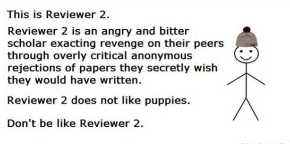
No matter where you go, there’s always one (or more) assholes. That’s a fact of life, like death, taxes, and motherfucking reviewer number two.

A positive side-effect of the Internet Age is the rise of transparency and fact-checking. This is important in every field (side-eyes the news media), but especially in science. Scientists pore over the literature and build upon previous studies to move the field forward. If a study contains errors, inconsistencies, or (in the worst cases), fabricated or altered data, it undermines the integrity of the field and the scientific endeavor. That’s why sites like PubPeer work to spot inconsistencies in published scientific literature. Now, no one likes to have their mistakes posted in big bold font on the Internet, but setting aside ego and emotion, it’s actually a GOOD thing! It helps us be vigilant about our work and the work of our colleagues who contribute data to shared publications, it allows the authors of the studies in question to go back and examine the data and correct mistakes in collaboration with the journal in question. It makes science more rigorous. All good things.

UNLESS…

Link to Meme

The scientist in question decides to get his or her TROLL on!

When a mistake is pointed out on PubPeer, there are basically two ways to handle it. #1 – Thank the fact checkers for finding the error, dig through the data and fix the mistake, contact the journal in which the mistake was published and (if possible) update the data presented or add a note with the updated data as an addendum, and promise to be more rigorous in the future. This is the best way to handle it. It preserves your integrity as a scientist (and the integrity of the scientific process), it shows your commitment to ethics and responsible conduct of research, and it shows that you value your reputation and quality of your work enough to protect it. Basically, it makes you look good, honest, trustworthy – all qualities you want to have as a human being and a scientist.

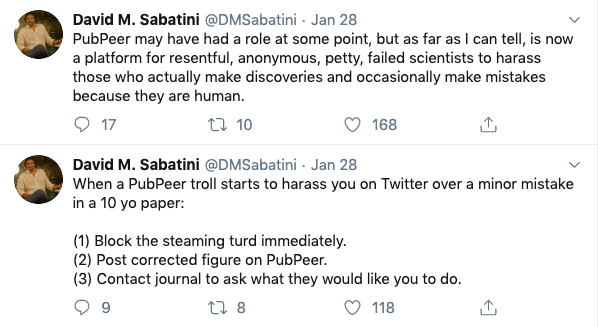
Link to Tweet

Then, there’s the second way to handle it…#2 – Insult the PubPeer fact checker (petty, failed scientists), block “steaming turd,” (grudgingly) contact the journal to see what you should do. See this post from For Better Science for the run down. The first two items are childish, unnecessary, and, well, trollish. Mistakes happen, even to the great and mighty Dr. David Sabatini (whose work I actually follow and admire, since I’m working on mTOR signaling in breast cancer in my own lab). He’s a leader in the field, and he could have used this as an opportunity to set a great example for his peers and colleagues by handling this situation, which happens to plenty of scientists, with grace, dignity, and integrity. Someone with his reputation and in his position has a great deal of influence and sets the tone for scientists at all levels.

This is not a great tone. This is not a good look. I’m 95% certain that, had he not gone on Twitter and got his troll on, no one would be talking about the errors that have been found in multiple papers. He could have quietly fixed them and moved on.

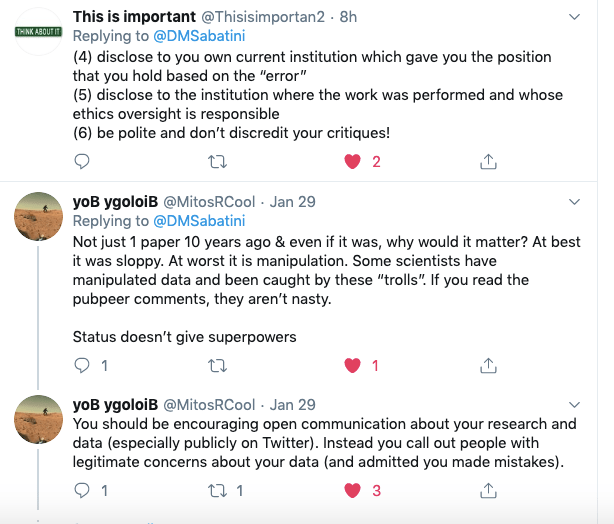
Instead, EVERYONE is talking about this. This isn’t the kind of publicity you want as a scientist. Here are some Twitter replies:

There are even more replies to the first post, some showing sympathy and support – while gently pointing out the importance of the work PubPeer is doing – others (who tend to get blocked) calling out Dr. Sabatini on the insults borne of ego. It didn’t have to go down like this. It’s sad and unfortunate that it did. Hopefully, it will serve as an example of what NOT to do when confronted with evidence of error in published work.

For a GREAT example of what to do when confronted with evidence of mistakes in a publication, check out how Nobel Laureate Dr. Frances Arnold retracted a published study when she and her colleagues found the results were not reproducible missing data from a lab notebook. This is a fantastic example of integrity, honesty, and ethics.

*Note – you might be wondering if I’m just armchair quarterbacking, safe in the knowledge that I’m not the one being called out by PubPeer. I am not. In fact, when I joined PubPeer and did a search on my name, I found a post about an error in a 2012 PLoS One paper for which I was a co-author – we accidentally duplicated a photomicrograph. These things happen, but I’m GLAD the PubPeer fact checker spotted it so we have the opportunity to correct this. We are working on it NOW!

(And yes, I did thank the fact checker, because my mama raised me to have manners)

Do clams get cancer? Questions from High School Freshmen

One of my favorite outreach activities is volunteering at public schools. Over the years, I’ve had the opportunity to speak to and work with elementary, middle, and high school students – doing everything from dry ice demonstrations, mini anatomy labs with fixed mouse organs, microscopy labs with tissue sections, and career talks. Most recently, I visited a local MNPS high school to talk about cancer biology (click here to see the slide show and an explanation).

It was AWESOME!

First of all, I was super impressed by how much these young people already knew! They’re studying cell biology and cell division right now, which worked well for my talk about how errors in DNA replication, mutations, and failed repair after damage leading to amplifications and deletions contribute to cancer. We used cell cycle regulation as an example, talking about oncogenes (drive cancer growth) and tumor suppressors (normal braking system for growth – lost in many cancers) that encode cell cycle regulators. They already knew much of the background, including how the cell cycle is controlled, the steps involved, and some of the proteins that regulate it. They also knew a lot about carcinogens (e.g. cigarette smoke, ultraviolet radiation from the sun, certain chemicals), treatments (chemotherapy and radiation), and certain types of cancer including breast, lung, and colon cancer.

Secondly, they were engaged and asked a LOT of questions. It made the presentation much more fun and interactive, and it gave me quite a bit to think about. There were, of course, questions I could not answer off the top of my head. But I promised the students I would look up answers to their questions and send the answers to their teacher. These are some of those questions:

1. What is the rarest form of cancer?


The latest statistics I could find from the American Cancer Society are from 2017. According to the data they gathered, the rarest cancers diagnosed in the adults (20+ years old) in the United States include cancers of the trachea, Kaposi sarcoma (this one is interesting because it led to the discovery of HIV – when more of these cancers cropped up in young gay men in the 1980s, it led investigators to start studying this population to identify the cause), lip, nose cavity and middle ear.

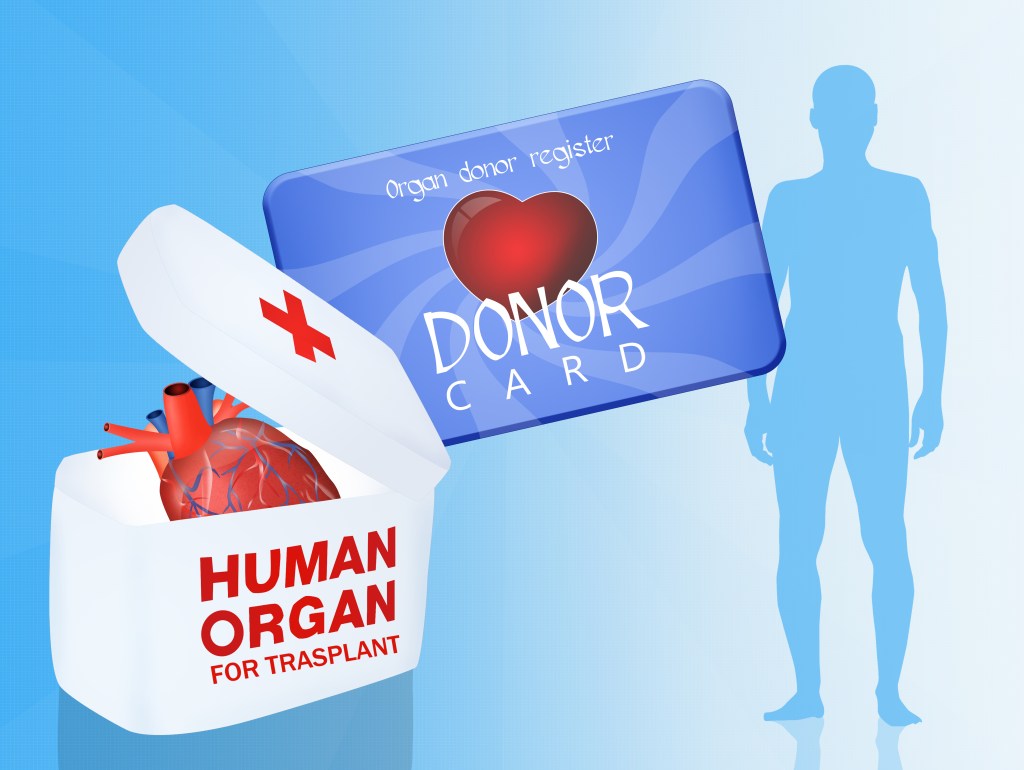
2. Can cancer in a transplanted organ spread to a new host?

Photo credit Deposit Photos


This has actually happened! In 2018, it was reported that a 53 year old woman who died from a stroke and had no known medical conditions at the time of her death (including screens for cancer) had her organs transplanted into at least 5 recipients. The patient who received the heart died shortly after transplant from unrelated causes, but a year and a half later, the patient who received lungs from the donor became ill and was found to have breast cancer cells in her body with DNA that matched the original donor. She died shortly after. The patient who received the donor’s liver developed breast cancer in the transplanted organ in 2011, was treated, but died of a recurrence in 2014. The patient who received the donor’s left kidney developed and died from breast cancer in 2013 (six years after transplant), and the patient who received the donor’s right kidney was diagnosed with breast cancer in his kidney cells in 2011 – they were able to remove the tumor from the kidney, and after treatment the patient lived 10 years cancer free (at the time of reporting).

This phenomenon is very rare, however, and most of the time cancer in a potential donor can be detected by screening before organ harvest.

3. Do clams or reptiles get cancer?

Photo credit Vale’ Tamblay

Apparently, clams do get cancer. Even worse, for at least one type of cancer, the cancer cells from one clam can travel to another clam through water and grow in the new host. Yikes!

Cancers have been documented in reptiles, but they are much more under-studied than mammals and other animals. More research may be done to better study the link between cancer and metabolism, since metabolism is lower/slower in ectotherms (cold blooded creatures) than endotherms (warm blooded creatures).

Interestingly, elephants and naked mole rats rarely, if ever, get cancer, and ongoing studies into their physiology and genetics could help us figure out why and how we can use the knowledge to prevent cancer in humans.

4. Can babies be born with cancer?

It is rare, but it can happen. There have been reports of babies born with neuroblastoma, leukemia, and teratomas.

5. When did people start getting cancer?

(I actually knew part of the answer to this one, but it was fun to dig a little deeper)

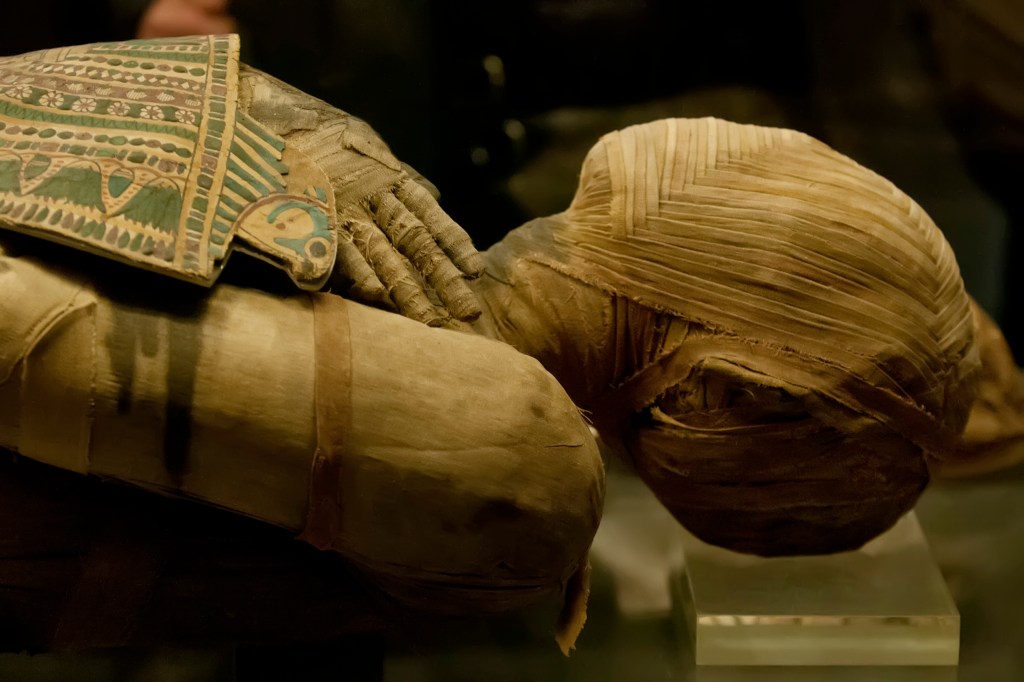
Photo credit Deposit Photos

The world’s oldest recorded case of cancer came from ancient Egypt in 1500 B.C., and it was recorded that there was no treatment for the cancer, only palliative treatment (relief of pain and suffering). Cancer has been with us much longer, though, given that bone cancer (osteosarcoma) has been detected in fossils from early hominids dated to 1.7 million years ago. Similar tumors have been found in fossils from dinosaurs and even from ancient turtles that lived 240 million years ago!

Got any questions for me? Send them! I’ll do my best to find the answers and more information. Knowledge is power! Hit me with your burning questions – the weirder the better!

Screw the Woo Woo: WTF is up with Gwyneth Paltrow and Vaginas/Butt Stuff??

Like many actual scientists and rational human beings, I have issues with Gwyneth Paltrow’s activities as a “wellness guru” by way of her company, GOOP. Don’t get me wrong, she’s an incredible actress and supports some great philanthropic work, including the work of The American Cancer Society and The Breast Cancer Research Foundation. And I don’t have a big problem with her capitalizing on her fame and looks in the beauty industry. We all like to look and feel pretty.

But GOOP as a resource for health and wellness is another matter. From coffee enemas for “detox” (note – all you need for detox are a liver and functional kidneys), vaginal steaming (that’s a recipe for a rip-roaring yeast infection and severe burns), and jade eggs to stick up your vagina (not healthy – and don’t just take my word for it; Dr. Jen Gunter, OB/GYN and author of The Vagina Bible confirms what common sense would tell most women: nothing good can come from sticking rocks up your hoohah), this whole “wellness” thing is actually pretty freakin’ unhealthy. So much so, in fact, that a lawsuit cost the biz $145K (for baseless claims about the benefits of vagina eggs – really just a drop in the bucket for them) and now they include disclaimers about their whackadoodle health claims.

And…now she’s selling a candle that allegedly smells like her vagina. You can’t make this shit up. The candle is called “This Smells Like My Vagina.” It’s right there in the name. Now, I’m not going to unpack all of the patriarchal bullshit that goes along with how women’s bodies should look and smell – your vagina smells fine. Trust me. It smells like it’s supposed to. No one is marketing products to freshen up sweaty ballsacks, which tells you pretty much everything you need to know about sexist double standards when it comes to eau de genitals.

But aside from all of that, what does Gwyneth’s snatch-scented candle (allegedly) do? And, I have to ask, did she actually stick the candles into her snatch to infuse them with her feminine “energy” and alluring musk? Apparently, this candle actually smells like “a blend of geranium, citrusy bergamot, and cedar absolutes juxtaposed with Damask rose and ambrette seed [note – um, that’s not what vagina’s smell like] that puts us in mind of fantasy, seduction, and a sophisticated warmth.”

Well, at least she didn’t claim it cures cancer, so bonus.

This is the same woman who falsely claimed that underwire bras could cause breast cancer – they can’t and don’t. That shit really pisses me off. She’s not a trained healthcare provider, a scientist working in a laboratory (the GOOP “lab” show that’s coming to Netflix is NOT a lab and I’m probably going to rage post and Tweet about all of the false claims that will no doubt come out of that train wreck), and she has no expertise in this arena. So, my advice to Gwyneth Paltrow is this: stay in your fucking lane. You’re an actress, not a health expert.

Seriously, there’s nothing inherently wrong with a bit of…whimsy when it comes to lifestyle choices. If it feels good and it doesn’t hurt you, then, hey, you do you. The problem is that much of what overpriced celebrity brands like GOOP peddle actually CAN hurt you (remember that whole vaginal burn thing a few paragraphs back?). Worse, in this age of anti-intellectualism, where a large segment of the world population does not value or respect scientists and healthcare provider expertise, celebrities have become a go-to for “the answers” to all of your health woes. That’s a problem.

So what do we do? For starters, use common sense. If something sounds weird (even if it’s allegedly been practiced for centuries by ancient wise women in some place the seller is culturally appropriating for financial gain), it’s probably a scam. If your healthcare providers and people with actual degrees and expertise (e.g. SciBabe, Jen Gunter, Sana Goldberg – Dr. Oz totally does NOT count) advise against it, it’s probably a scam. If it’s a seemingly ordinary item (vagina scented candle) that costs a ridiculous amount of money ($75 – what the ACTUAL fuck), it’s probably a scam. Be smart, stay safe, and don’t be fooled!

Click here for some more hilariously/sad/ridiculous vagina trends from Ms. Paltrow . For SciBabe’s entertaining and informative take on Gwyneth Paltrow and GOOP, click here.

Science Break! Cancer 101: How Normal Cells Become Transformed Into Cancer

Cancer has been with us since we became human, and probably before, since cancer isn’t common to our species. In a fundamental way, cancer is us. Cancer was once healthy tissue, starting out as a cell in your body fulfilling its function to keep the collective whole, you, functioning. This cell toed the line, divided when it was supposed to, stopped dividing when it was supposed to, differentiated and specialized to perform its function, and if it had remained normal, it might have died when told to do so after that function was fulfilled. Those are three of the hallmarks of cancer: uncontrolled cell division (cells making more cells), failure to respond to the normal programs that put the brakes on cell division, and failure to undergo programmed cell death (die when the time is right).

The process by which a normal cell becomes cancerous is called malignant transformation or carcinogenesis. This video provides an excellent overview of the process.

To understand how cancer forms, we need a basic framework for understanding cellular function and its regulation at the molecular level. Don’t get bogged down in the terms. Cellular function refers to how the cell does its programmed job, how it grows and divides, and how it dies, the same basic life cycle that the human host experiences. Regulation at the molecular level means the plan the cell follows, the blueprint for its growth, function, and death. It starts with DNA, the double helix genetic blueprint in all cells that contains the instructions for the cell’s functions and life plan.

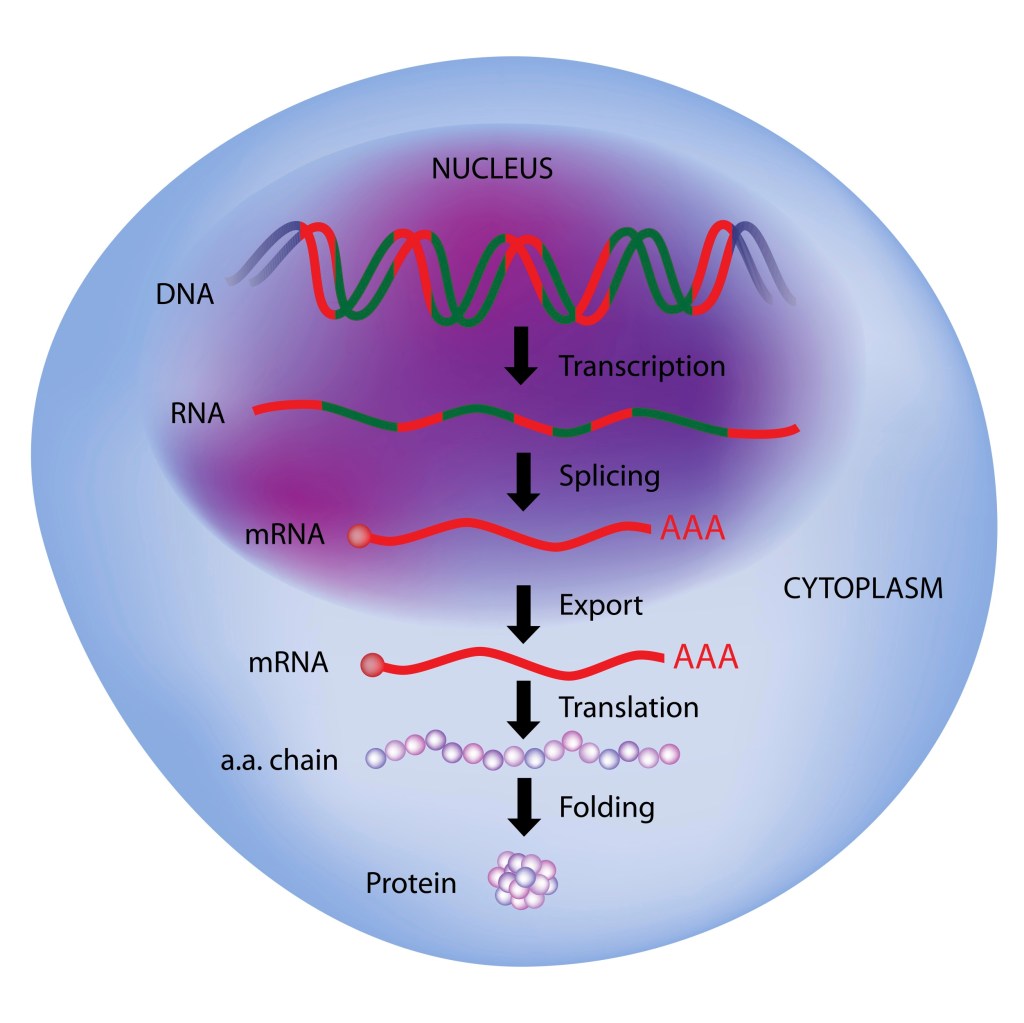
Illustration of the Central Dogma of Molecular Biology – Nuclear DNA is transcribed to an intermediate, called RNA, which is then used as a template for translation into amino acid chains that form proteins. Illustration credit: Shutterstock.

So what does DNA actually do, or perhaps the better question, how does the information encoded in DNA actually instruct the cell what to do? This gets into something call the Central Dogma of Molecular Biology. That’s a fancy title for the way in which the instructions encoded in DNA are used to manufacture proteins, the work horses of cells. Now, when most people think about proteins, they envision a juicy piece of meat or powerful muscles, and the components used to build muscle fibers are proteins. But proteins are much more than that. They are the essential building blocks of cells, which in turn build tissues, organs, and all parts of the body. They can be structural, like the fibers that form the cell’s cytoskeleton and histone proteins that wrap around DNA strands and protect them. They can be functional, forming enzymes that do everything from metabolize nutrients, breaking them down into usable building blocks for building biomass and generating energy for the cell. They also play a critical role in transmitting information within cells and between cells, integrating communication between different parts of the body.

Proteins are made up of chains of amino acids, and the order in which they are put together is determined by the sequence of the portion of DNA that encodes that protein. That sequence is called a gene. But as a matter of practicality, since DNA is housed in a subcellular organelle called the nucleus and therefore inaccessible to the protein production machinery in the cytoplasm, and because the cell needs to protect the integrity of its DNA, proteins are not built using pieces of actual DNA. The portion of the DNA, the gene, that encodes instructions for making a specific protein, is first transcribed into an intermediate molecule, call messenger RNA. Transcriptional machinery within the nucleus unwinds and separates the DNA strands, using one strand to copy the information necessary to build a protein. The messenger RNA molecule is then transported out of the nucleus and used by the protein synthesis machinery to translate the information encoded by the mRNA to protein. That’s the Central Dogma: DNA transcribed to RNA, and RNA translated to protein.

The abnormal growth that is cancer is controlled by abnormal proteins that were once (supposed to be) normal proteins. Most of the proteins that drive cancer are proteins that regulate cellular division and cellular survival, and they fall into two basic categories: oncoproteins and tumor suppressors. Oncoproteins are hyperactive proteins that start out as normal proteins, encoded by normal genes, proto-oncogenes. They become oncogenes due to alterations in DNA: mutations that change the DNA sequence, which in turn changes the amino acid encoded and the function of the protein; DNA repair mistakes that cause multiple copies of genes (amplification) to produce too much of a protein that drives growth and survival; changes in DNA that make the gene more accessible, which in turn causes the cell to make more copies of the encoded protein. DNA damage that causes breaks, which can eliminate genes that normally keep cell growth controlled, can silence tumor suppressors.

Types of DNA damage – if damage is not repaired or is improperly repaired, alterations in DNA (e.g. mutations, deletions, amplifications) that encodes growth and/or survival genes can lead to malignant transformation of a normal cell into a cancer cell. Link to photo source.

What’s worse is that the longer the cancer grows unchecked, the more mutations and DNA changes it collects. Those alterations and mutations that give the cell an advantage (more growth, better survival, the ability to break away from the tumor mass and spread) make the cancer more aggressive and difficult to treat.

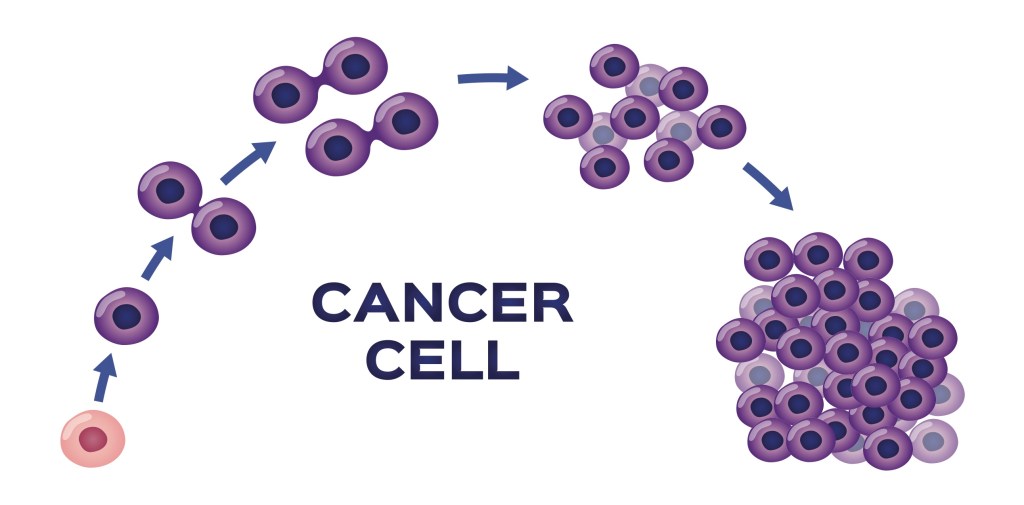
Cancer Formation and Abnormal Growth – Illustration credit: Deposit Photos.

In my next post, I’ll cover the process of malignant transformation of breast cells, which leads to breast cancer.

Screw The Woo Woo: Please Don’t Put Candles in Your Ears (Something I Never Thought I’d Have To Write)

As long as the Internet exists, I will (sadly) NEVER run out of things to blog about on the woo woo front. Scratch that, as long as people exist, I’ll never run out of things to blog about on the woo woo front. For today’s installment, I’ll be covering the bizarre and dangerous practice of ear candling.

Ear candling. As in shoving a FUCKING CANDLE into your EAR and LIGHTING IT to somehow magically clean out earwax and toxins and or some such nonsense. Unlike other woo woo scams I’ve covered, this one has absolutely no science associated with its claims. Rather than misrepresenting science, it simply ignores it. And, as usual with this bullshit, its proponents claim it can ~definitely~ cure your cancer.

Spoiler alert – sticking a lit candle into your ear canal will NOT cure any type of cancer.

As usual, no links to sites that actually support this practice, but the “practice” goes as follows: (1) get a fabric cone soaked in wax or paraffin (blessing by a fake, culturally appropriating “shaman” optional); (2) cut a hole in the bottom of a paper plate or tin pan and stick the side you don’t light through the hole – this will keep wax and ash from falling on your face, because safety first (*snort*); (3) lie on your side, stick the end of the candle you don’t light in your ear canal, and get a friend to light the candle; (4) relax while you make like a human candle holder for about 15 minutes then repeat with the other ear.

Why would anyone do this? The “theory” is that the burning candle creates a gentle suction that pulls earwax and gross toxins out of your ear. Alternatively, the low heat from the burning candle is thought to melt earwax and allow it to fall out of the ear canal naturally after a few days. Some even claim you can open the candle and see all of the disgusting material sucked out of your ear, kind of like viewing (in horror and fascination) what peel-off face masks pull out of your pores.

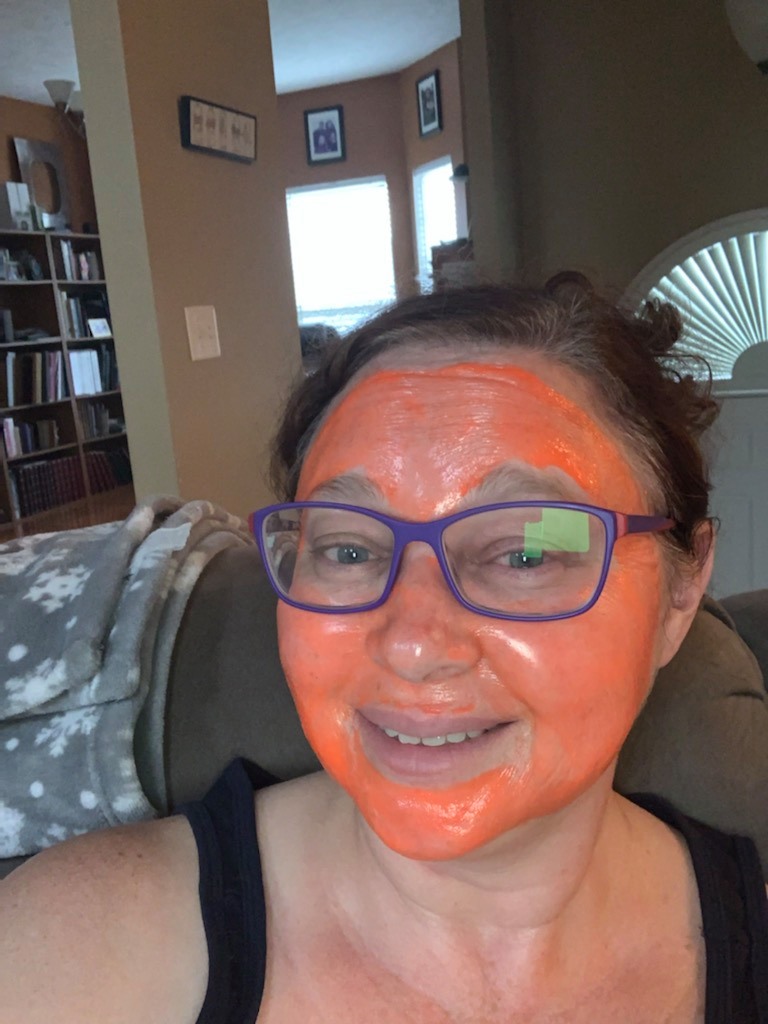
Trust me, what came out of my face that day was NOT pretty, but my skin did feel smoother after…

Other wild claims about the supposed benefits of ear candling (also called ear or auricular coning, thermal/thermo-auricular therapy, candle/coning therapy) include:

removing wax, bacteria, and other debris from the ear canal
treating sinus infections
improving hearing or reversing hearing loss
relieving sore throats
treating colds and flus
relieving headaches and migraines
improving mental clarity
purifying the blood
improving lymphatic circulation
clearing the eyes and improving vision
reducing pain related to jaw aches and temporomandibular disorders
reducing tension and stress
reducing vertigo

Not only are there no studies to substantiate any of these benefits, the FDA has been warning the public against this dangerous practice, with risks including:

starting a fire
burns to the face, ear canal, eardrum, and middle ear
injury to the ear from dripping wax
ears plugged by candle wax
bleeding
puncture of the eardrum
delay in seeking needed medical care for underlying conditions such as sinus and ear infections, hearing loss, cancer, and temporomandibular joint (TMJ) disorders. (TMJ disorders often cause headache and painful sensations in the area of the ear, jaw, and face).

Bottom line: if you are bothered by what you believe is excess earwax, sinus and ear infections, TMJ, or other ailments, see a healthcare provider. Sticking a candle in your ear is not a solution, and, quite frankly, it’s a really stupid and dangerous thing to do. Stick to using candles for mood lighting and ambiance.

Heading Photo Credit: https://www.pexels.com/photo/bright-burn-burnt-candle-278823/

Don’t Be A Hero – See A Therapist!

Living with cancer (even post diagnosis, treatment, and in remission, once you’ve had cancer, you’re always living with it) is weird. One minute I’m going about my day and not thinking about my body, my janky scars, and what’s left of my boobs (which I’m soooooooooo grateful to still have). Then, at strange, random moments, I’ll suddenly stop and think, “Fuck, I had cancer! I might still have cancer. What if it’s still there? What if it’s hiding out in my body and lurking, getting ready to say ‘Boo!’ two, five, ten, twenty years down the road?”

That shit will keep you up at night, give you panic attacks, make you hypervigilant (i.e. your lizard brain starts looking for threats around every corner), and make you tough to live with – even for you. I’d been down that road before with two bouts of postpartum depression (PPD) after the birth of each of my children. I recognized the symptoms once I slowed down and stopped using my favorite unhealthy coping mechanism – avoidance. Shortly after my diagnosis, I worked to the point of exhaustion in the lab, at home, and on my side gig, staying up late in the name of productivity and maximizing creativity, but I wasn’t fooling anyone.

I was fucking terrified.

After a year and a half of ups and downs – with a short stint of therapy before I learned I wouldn’t need chemotherapy – I gave myself a cosmic kick in the ass, acknowledged that I was not fine, and that I needed help. I’d tried using the Cognitive Behavioral Therapy (CBT) techniques I’d learned while in treatment for PPD, and I’ve been on anti-depressant medication for years (and make no apologies for it – if you can’t make your own neurotransmitters, store bought is fine), but I was still losing sleep and spending so much time worrying about if/when the cancer might come back that I wasn’t fully enjoying the life I was lucky to have.

I stopped, took a deep breath, and (finally) pondered what I’d been through with cancer – the shock and terror of the diagnosis; the fog of uncertainty while waiting for pathology reports, blood work; weighing the pros and cons of each surgical options; the needles for biopsies and implantation of SAVI SCOUT devices; waking up to a new body after surgery; finding out I had a positive lymph node; the burn of that tender healing flesh during and after radiation therapy; the indignities of hormone suppression therapy; loss of time with family, loss of work, loss of my life as I knew it and coming to terms with a new life.

I was alive, I’d been able to skip chemotherapy, and my prognosis was great, and yet, I was still broken. Looking at the list from above, it seems like a no-brainer. Of COURSE I was broken. But my biggest blindspot was and is me. It took a while, but I finally understood that I couldn’t process this on my own. I needed help so I could be the best version of myself for my family, my friends, my colleagues, my community, and myself.

So I got myself back in therapy, got a refresher on CBT along with adding mindfulness meditation, breathing exercises beyond the standard inhale for four beats and exhale for four beats to stave off anxiety (inhaling for four beats and exhaling for seven worked wonders for my sleep cycle), and the COOOLEST of all new (to me) techniques – postponed worrying! This has been a game-changer for me. I’m a scheduler – working mom with two side gigs and a husband who’s out of town half the week. I’m also a worrier. The simple act of taking time to sit down and devote my attention to my worries (writing them down and, using CBT techniques, identifying and fighting cognitive distortions) for a set amount of time has helped me NOT dwell on those worries for the rest of the day.

There are no downsides to taking care of your mental health, and plenty of benefits. The best part? In addition to helping you live your best, quality life, taking care of your mental health can be beneficial to outcomes like decreased recurrence and longer survival. References here and here.

Will there still be hard days? Absolutely. And it’s okay to go down into the well of despair. What therapy can do is give you the tools you need to climb out of that well and get back to your regularly scheduled life.

Looking for mental health care resources, or maybe support groups? Here are some places to start: American Cancer Society, American Association for Cancer Research, Susan G. Komen, Cancer Support Helpline. Gilda’s Club is also a fantastic resource for cancer patients, survivors, and their families!

Special note – this post is by no means an endorsement of “the power of positive thinking” and toxic positivity (that’s a thing – people who tell you to just shut out natural, negative emotions associated with trauma are dickwagons and you should walk away from them. You have to process your emotions in a healthy way).

Screw The Woo Woo: Antioxidants and Cancer (When Woo Shows Up At A Freakin’ Science Conference!)

Greetings! I’m writing this blog post from Singapore, where I attended The International Congress of Cancer and Clinical Oncology. One of the perks of this geeky job as a professional lab rat is that I get to travel to some really cool places to present the results of my scientific research. Now, you would think that a scientific conference should and would be immune to infiltration by the woo. Hell, that’s what I thought before I sat through a talk from a dude who runs a “private clinic” that offers, among other things, hyperthermia and antioxidant “therapies” for cancer patients, the latter of which includes juicing.

Not juicing in the steroid misuse sense, but literal drink-a-glass-of-carrot-juice-and-you-will-reduce-free-radicals-in-your-tumor sense. The guy was literally pushing antioxidants like vitamin C, green tea, and juice – carrot juice, grapefruit juice, but not beet juice (high sugar) – as well as hyperthermia (heat treatment) and intermittent fasting (one of the new fads in weight loss) to treat cancer.

He even cited Linus Pauling, father of the woo woo based vitamin cult that gave rise to western obsession with supplements. His wild (and scientifically UNFOUNDED) claims that high doses of vitamin C could cure everything from the common cold to the flu to cancer still plague bookstores, the wellness industry, and popular culture. They are COMPLETELY UNTRUE!

Fuckballs. I thought about walking out of the talk, but then decided it would give me the opportunity to understand the mind and inner workings of a woo woo peddler in a fucked up know-your-enemy kind of way. Then, I set about dissecting his bullshit claims and countering them with the real scientific scoop.


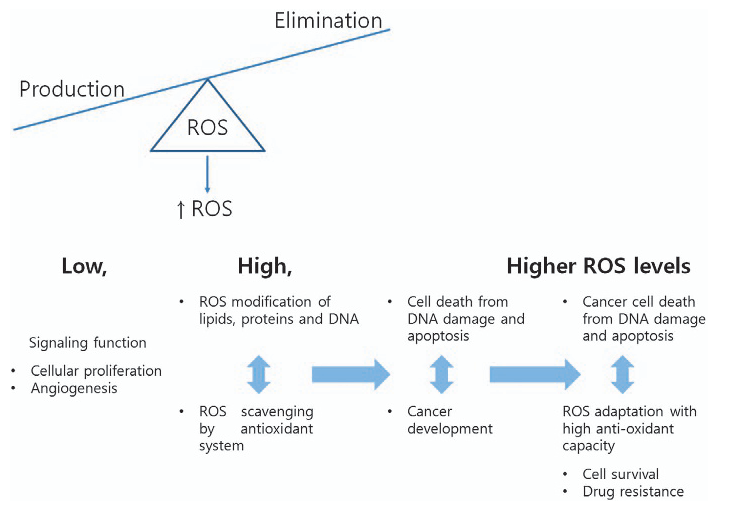
From Experimental & Molecular Medicine (2016) 48, e269; doi:10.1038/emm.2016.119

What do we know about oxidative stress in cancer? Cancer cells accumulate reactive oxygen species (ROS), including peroxide and superoxide, as byproducts of altered metabolism and dysfunction of mitochondria, the energy production center of all cells. These oxygen free radicals can act as mutagens, altering DNA and, when the mutation hits an oncogene, tumor suppressor gene, or gene that affects the cell’s ability to move, the mutation drive disease progression. ROS also induce inflammatory responses that drive cancer growth, survival, and progression. Since ROS benefit the tumor, therapies designed to block ROS with antioxidants should help patients with cancer, right?

Well, as with most aspects of cancer, the story in much more complicated. Turns out, antioxidants have actually been shown to make cancers worse in the laboratory setting and perhaps in humans! How’s that possible? Well, it turns out that high levels of ROS induce oxidative stress in tumor cells and drive them to die. Cancer cells, including breast cancer cells, fine tune their redox balance to different state that normal cells to take advantage of the growth benefits while avoiding levels that would induce cell death.

And that, dear followers, is part of the problem with woo woo, particularly this kind of woo woo that, on first glance, seems reasonable and incorporates bits of legitimate science into the scam. What’s the harm? Well, for patients visiting this guy’s clinic between rounds of chemotherapy – or for patients who skip prescribed, medically/scientifically vetted therapies in pursuit of “natural cures,” – the consequences could be deadly. And even if sitting in a heat chamber and drinking tons of juices doesn’t hurt in the health sense, it could definitely hurt the patient’s wallet.

Bottom line – if you want to add supplements or try alternative therapies (make sure they are COMPLIMENTARY alternative therapies – CAM – that work with your standard of care medical therapy), check with your doctor to determine whether it’s safe and beneficial.

References: Why Vitamin Pills Don’t Work, And May Be Bad For You; How Oxidative Stress May Kill Cancer Cells; Altered Tumor Metabolism Leads to Intensification of Oxidative Stress and Tumor Cell Death